National Indigenous History Month shines a spotlight on Buchberger’s story
Paralympian Greg Stewart highlights importance of Men’s Mental Health Month
Paralympian Greg Stewart highlights importance of Men’s Mental Health Month
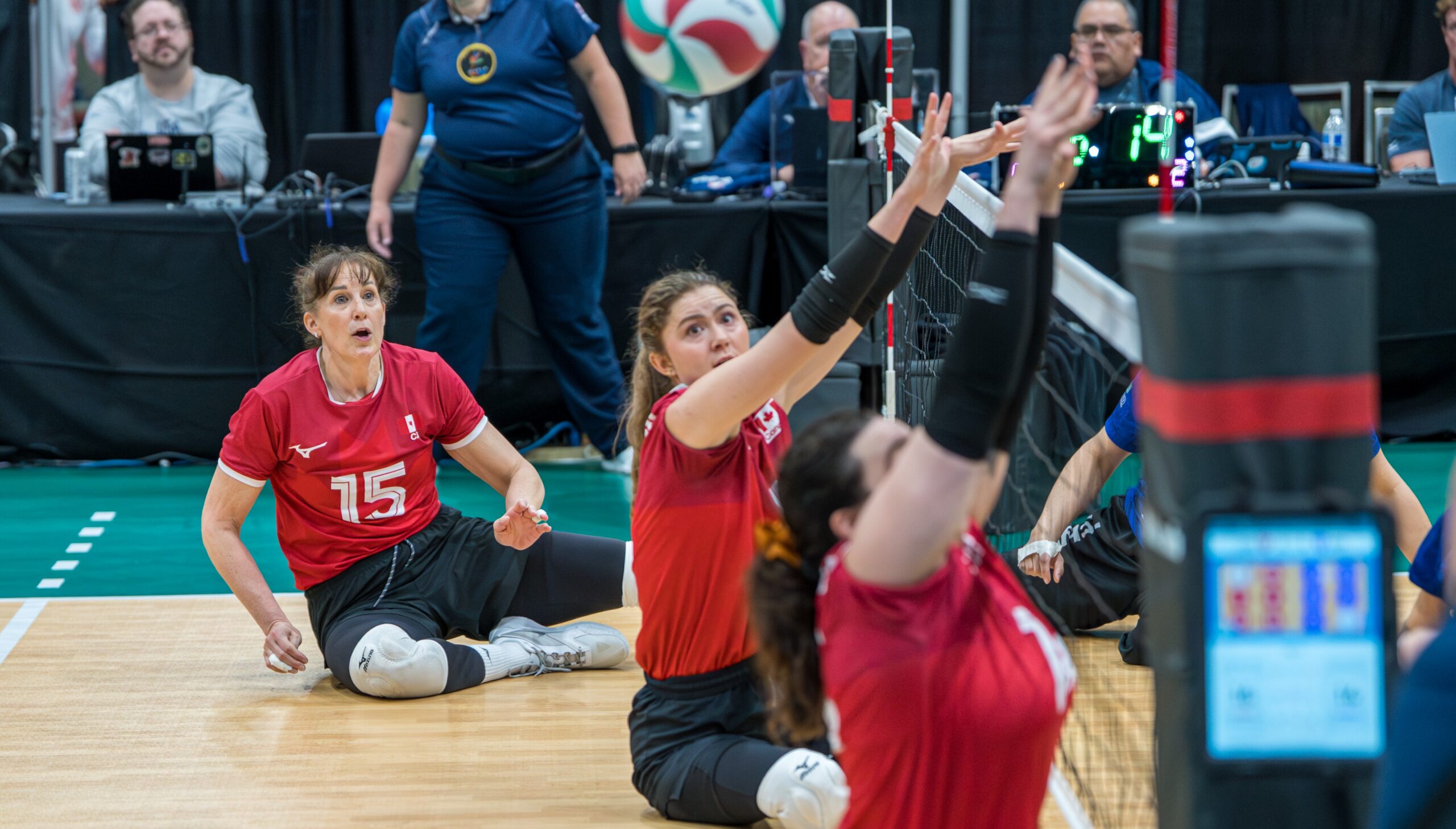
EDMONTON – As Canada marks National Indigenous Month, Kerrie Buchberger hopes her story shows young Indigenous athletes that where they come from does not limit where they go.
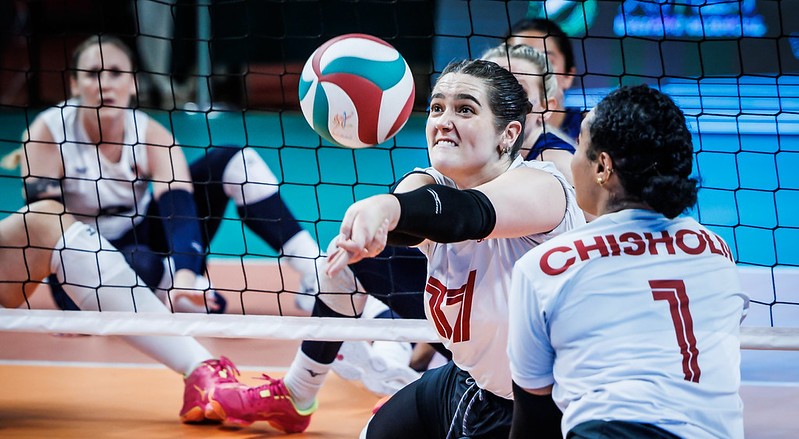
The Red River Métis athlete from Langenburg, Sask., has represented Canada at the Olympic Games, played professional volleyball in Europe, is inducted in at least three Halls of Fame and now nearly three decades after retiring from the national indoor team, is back wearing the Maple Leaf as a member of Canada’s sitting volleyball team.
‘’If it’s an opportunity to show and be a mentor for young people to look up and say ‘That’s something I can do’ then that’s important’,’’ said Buchberger, whose brother Kelly played in the NHL with the Edmonton Oilers for 13 seasons.
Buchberger grew up in a town of 1,000 people near the Manitoba border. With few specialized training opportunities available, she relied on determination and a love of sport to fuel her rise through the volleyball ranks.
‘’I didn’t have a lot of people around showing me how to train, so I had to find that grit and willingness to make it work.’’
That perseverance led her to a very successful volleyball career including the 1996 Olympics (the last time the women qualified for the Games), and a pro career in Europe.
But years of wear and tear eventually caught up with her. After eight orthopedic surgeries and a total knee replacement, doctors told her high-impact sports were no longer an option.
Then Canada’s sitting volleyball team came calling. Her competitive spirit was revitalized and now she is determined to one day be one of the rare athletes to compete at both the Olympics and Paralympics.
Her impact was immediately felt on the national sitting team as she made her debut this spring. She helped Canada to silver medals at both the US Sitting Volleyball Cup and just this past weekend at the Dutch Tournament. In Assen, the Canadians rallied from two sets down to beat the Paralympic Games champions USA.
The Canadians, the Paralympic Games bronze medallists in 2024, are tuning up for the world championships next month in Hangzhou, China.
The experience has given Buchberger, also the women’s volleyball coach at Concordia University of Edmonton, a new appreciation for Para sport.
‘’I don’t think people understand and have the respect they should for the sport,’’ said Buchberger, a member of the University of Regina Sports Hall of Fame, the Manitoba Indigenous Sports Hall of Fame and the Saskatchewan Volleyball Hall of Fame. ‘’These are amazing athletes.’’
Buchberger agrees there is a parallel between Indigenous and Para sport communities, both of which have worked to overcome barriers and gain greater recognition.
A former board member with the Aboriginal Sport Circle, she has spent years to help create opportunities for Indigenous youth through sport. She believes athletes today are more eager to embrace and celebrate their Indigenous identities than previous generations.
‘’I think you see a lot more people who are proud of their culture now,’’ she said. ‘’They’re not trying to hide it.’’
Indigenous runner Brendan Cote-Williamson proud to represent his heritage
Brendan Cote-Williamson, a rising star in Para athletics middle distance running and a gold medallist last moth at a Grand Prix in Switzerland, says representing his Indigenous heritage remains a source of pride.
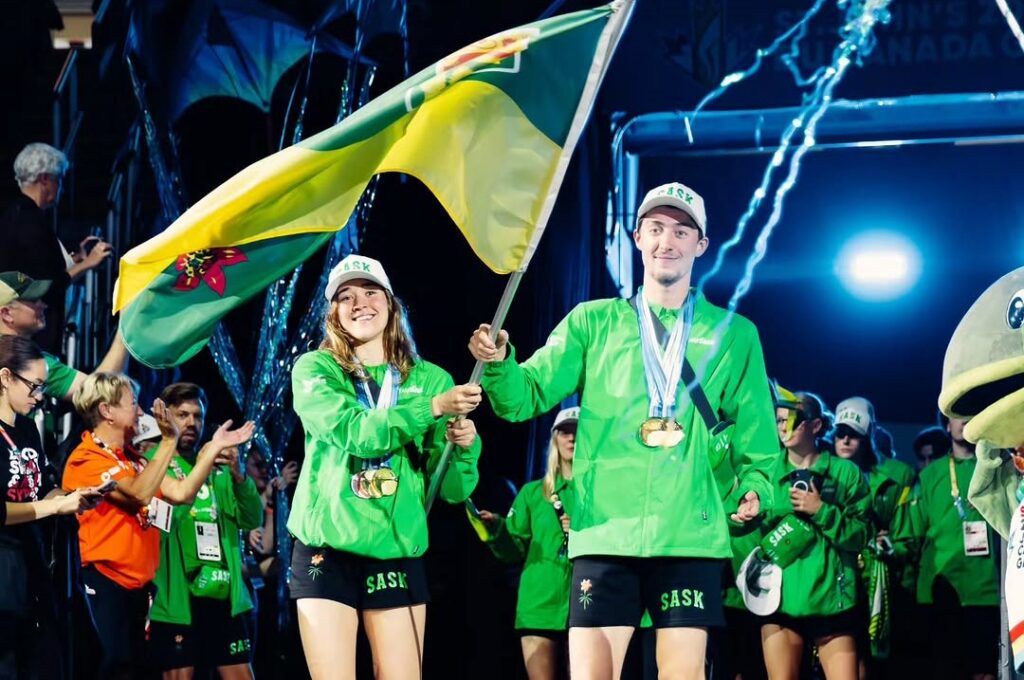
The Saskatchewan runner from the Cote First Nation near Yorkton, represented the province at the 2023 North American Indigenous Games. He was the Closing Ceremony glag bearer. He said Indigenous History Month provides an opportunity to celebrate culture and encourage conversation about representation in sport.
‘’Our traditional teachings such as kindness, compassion and respect for others continue to guide me both on and off the track,’’ he said after his second-place finish in the men’s 400-metre ambulatory race at the Canadian Track and Field Championships this past week in Ottawa.
‘’It’s something I’m super proud of and it’s an honour to do so.’’
June is also men’s mental health month
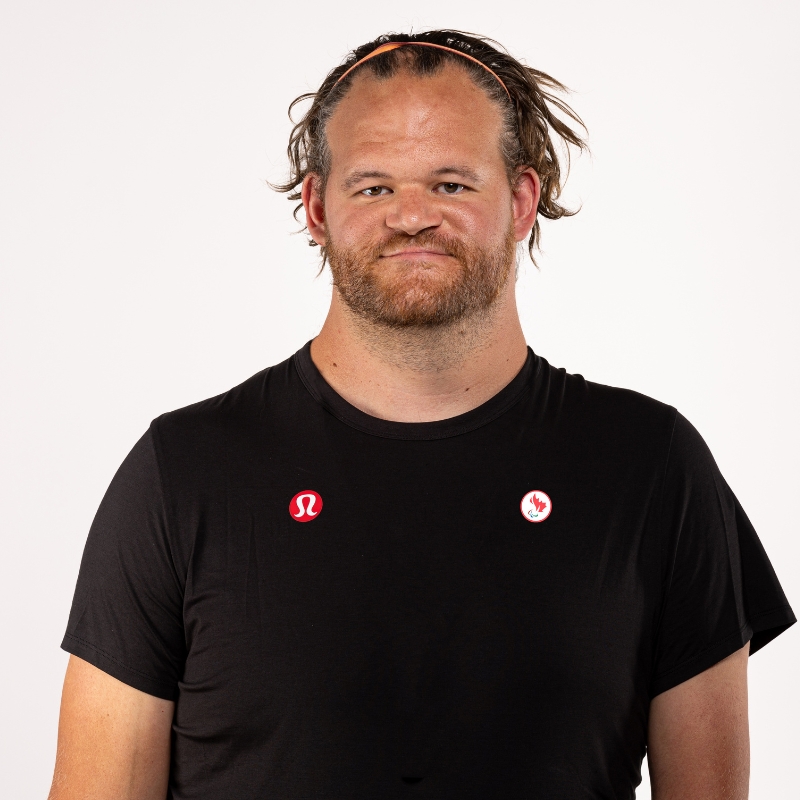
As Men’s Mental Health Month is recognized across Canada, Paralympic shot put champion Greg Stewart is encouraging men to embrace vulnerability and seek support when they need it.
The new father, pursuing a master’s degree in counselling psychology, said one of the biggest misconceptions men face is the belief they must have all the answers.
‘’You don’t have to know what to do,’’ said the 7-foot-2 gentle giant. ‘’You don’t have to know all the right things. Be willing to ask for help.’’
‘’Our vulnerability is actually one of the strongest things we can have. When we’re uncomfortable that’s actually a good place to be. Then we can get help.’’
"*" indicates required fields



"*" indicates required fields