Canadian Para athletes’ leadership in sport extends beyond competition
“I’ve seen the power of athlete representation”
“I’ve seen the power of athlete representation”
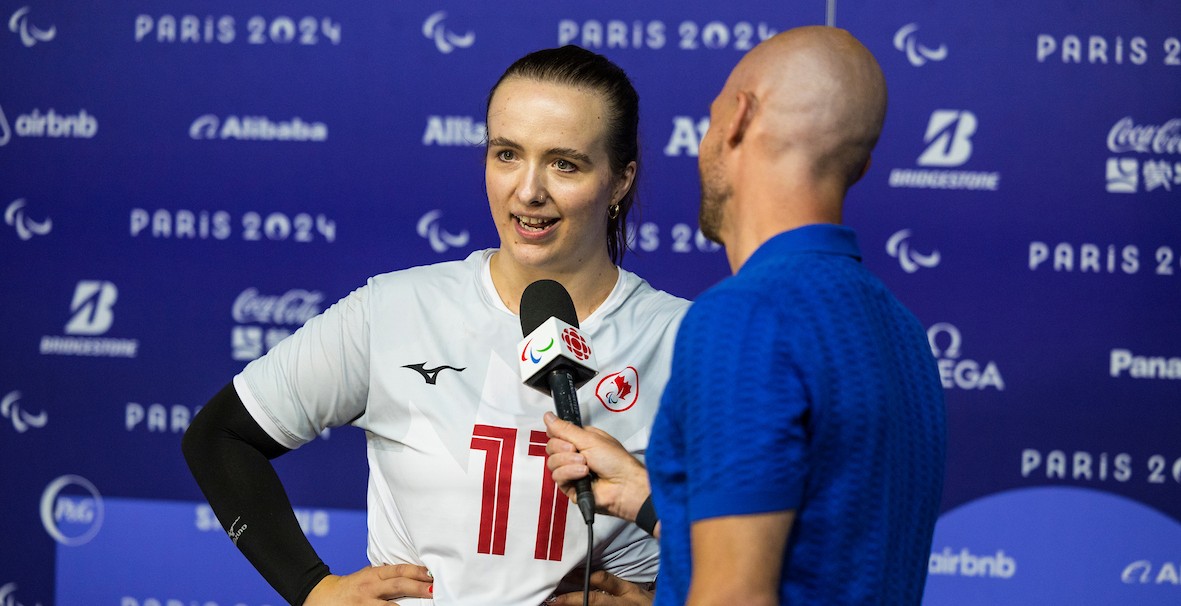
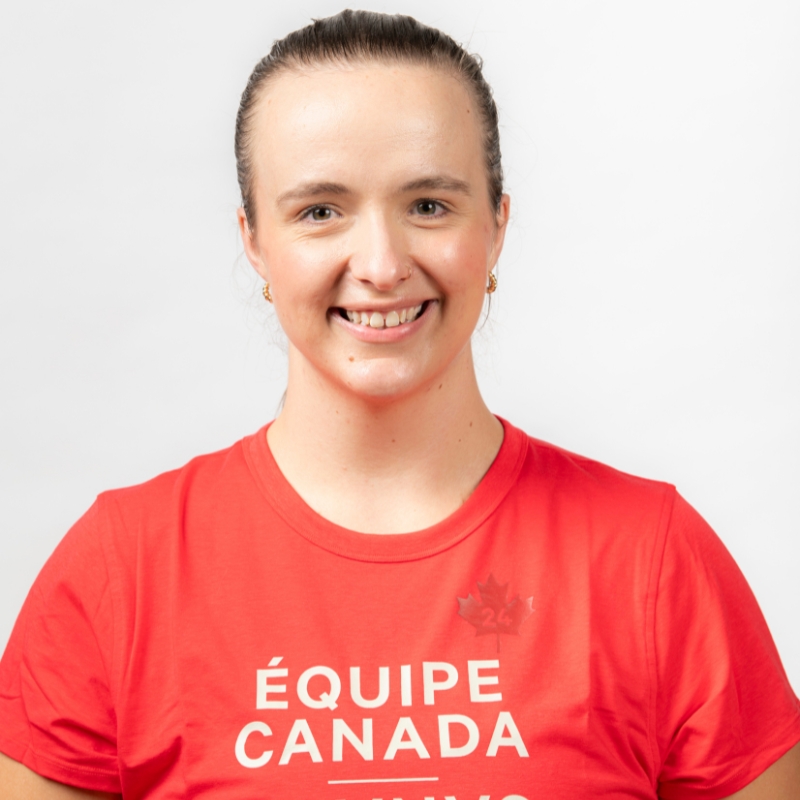
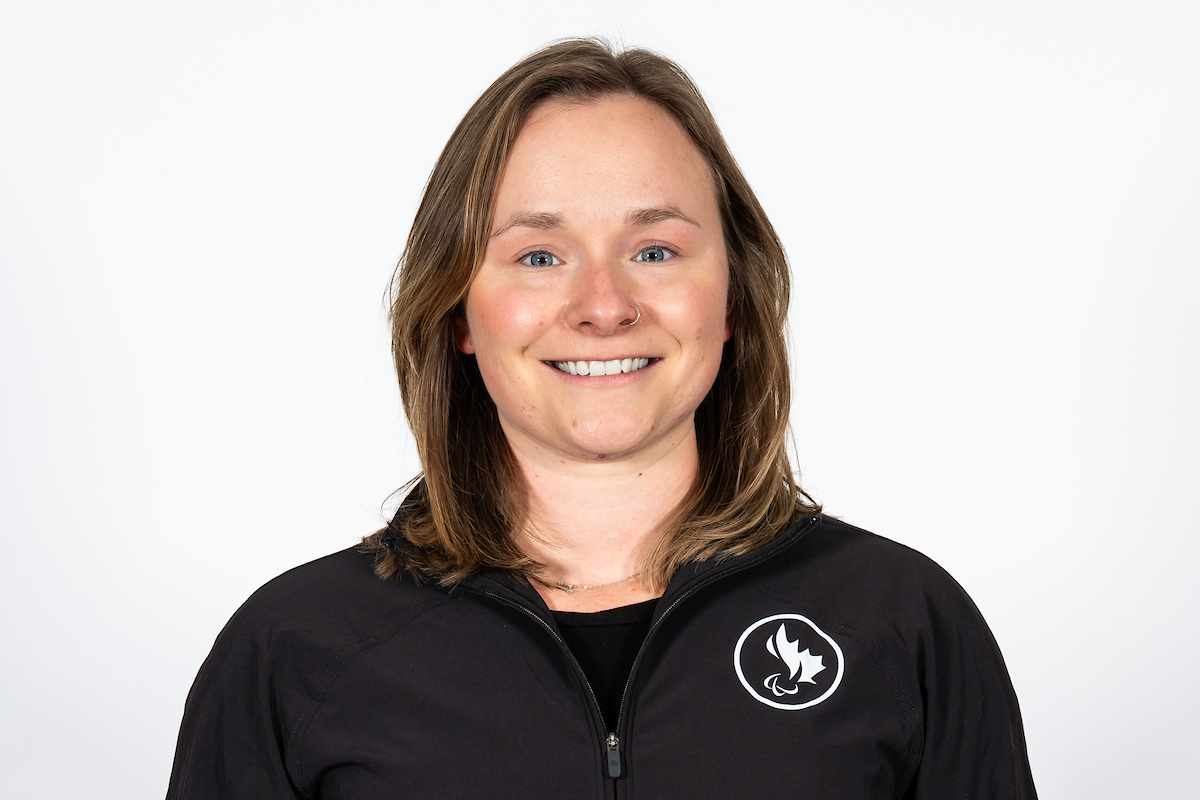
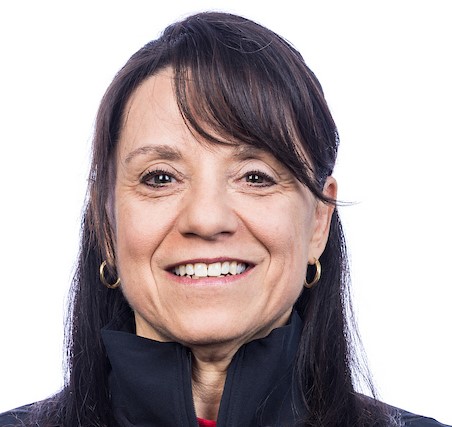
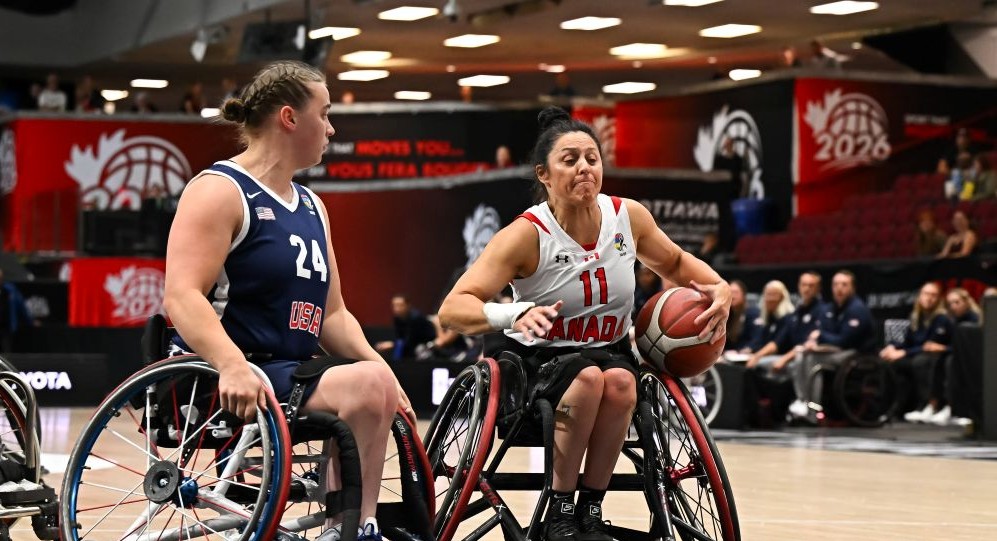
OTTAWA – Heidi Peters is used to being Canada’s go-to player on the sitting volleyball court. Now she’s increasingly becoming one of the go-to voices for Canadian Paralympic athletes.
Peters was selected in July as chair of the Canadian Paralympic Athletes’ Council. She previously served as vice-chair since March 2025 and acting chair since April 2026, when former chair Jeremy Hall stepped down.
Since 2022, she has served on the World ParaVolley Athletes Commission, giving her a unique perspective that extends from her own team to the national and international levels of Paralympic sport.
She’s come to appreciate the difference athlete representation can make.
“I’ve seen the power of athlete representation, the power of feedback loops, athlete involvement, the athletes’ voices,” she told the Canadian Paralympic Committee (CPC).
Peters says the CPC model for athlete representation stands out on the national and international stage. She hopes it becomes the standard by which athlete councils are measured.
She says it has made athlete leadership a meaningful part of the organization’s decision-making process.
For example, at CPC Board meetings, the athlete report is the first item on the agenda.
“I’m the kind of person who likes to wait and absorb information, but if something’s being discussed and an athlete opinion hasn’t been said, board members don’t hesitate to ask what the athletes think about it.”
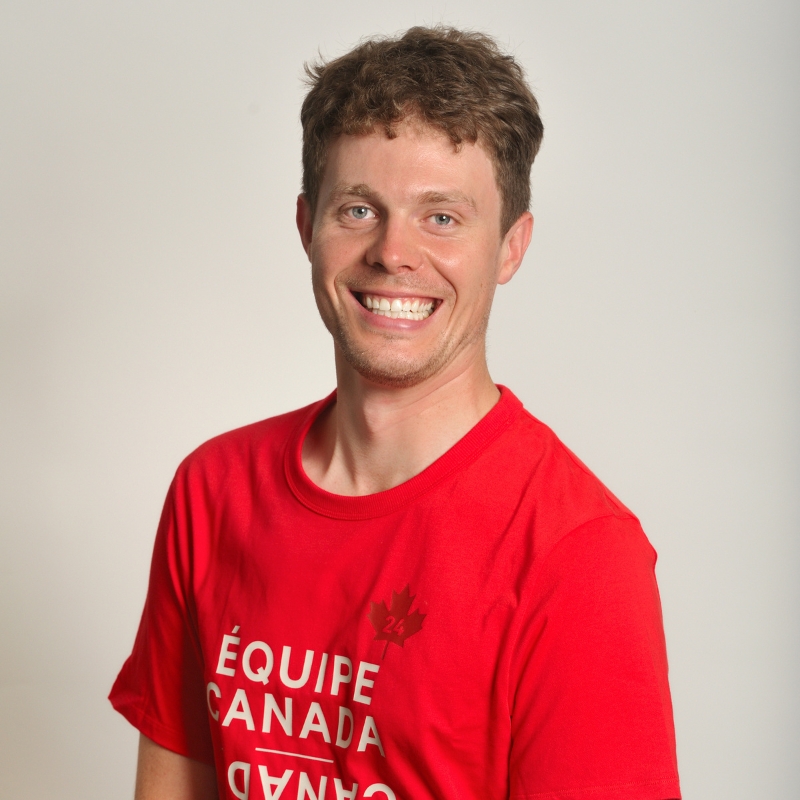
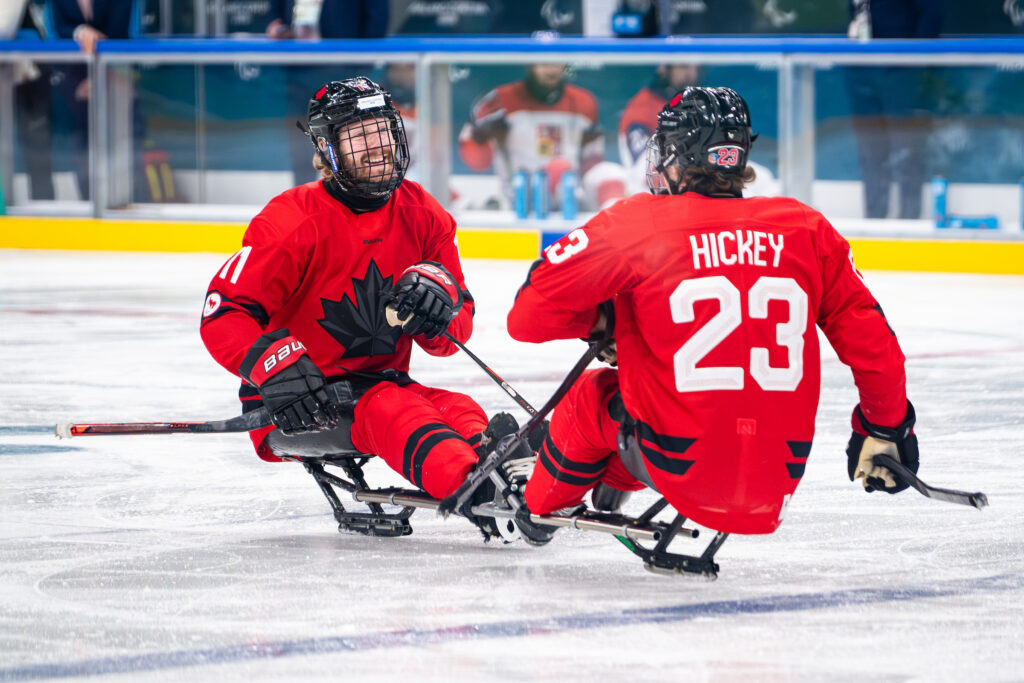
Tyler McGregor, a star player on the Para ice hockey team that recently won silver at the 2026 Paralympic Winter Games, was elected to the International Paralympic Committee’s Athletes’ Council this past spring.
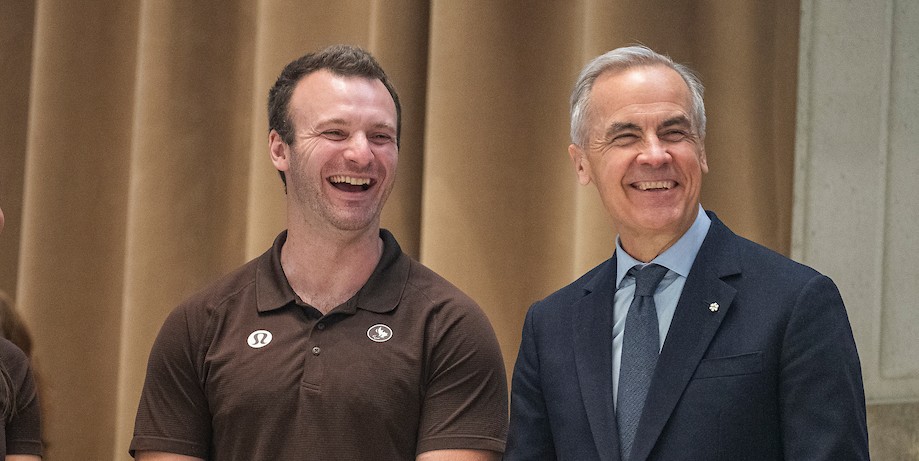
His motivation to be a voice for the Para sport community dates to 2018, when he decided he wanted more than goals, assists, and medals to define his success as an athlete.
“It comes down to trying to have as much of an impact as you possibly can,” said McGregor, who also recently finished a term on the Canadian Paralympic Athletes’ Council. “I care a lot about Paralympic sport. That’s what inspired me – the passion for wanting to be part of the growth, the evolution and ultimately the success of Paralympic sport.”
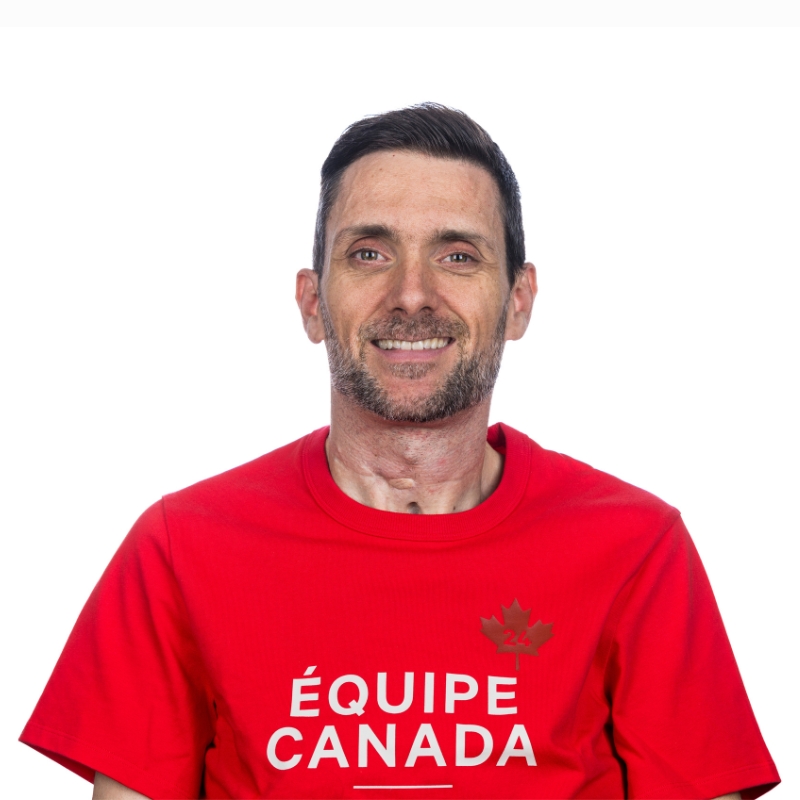
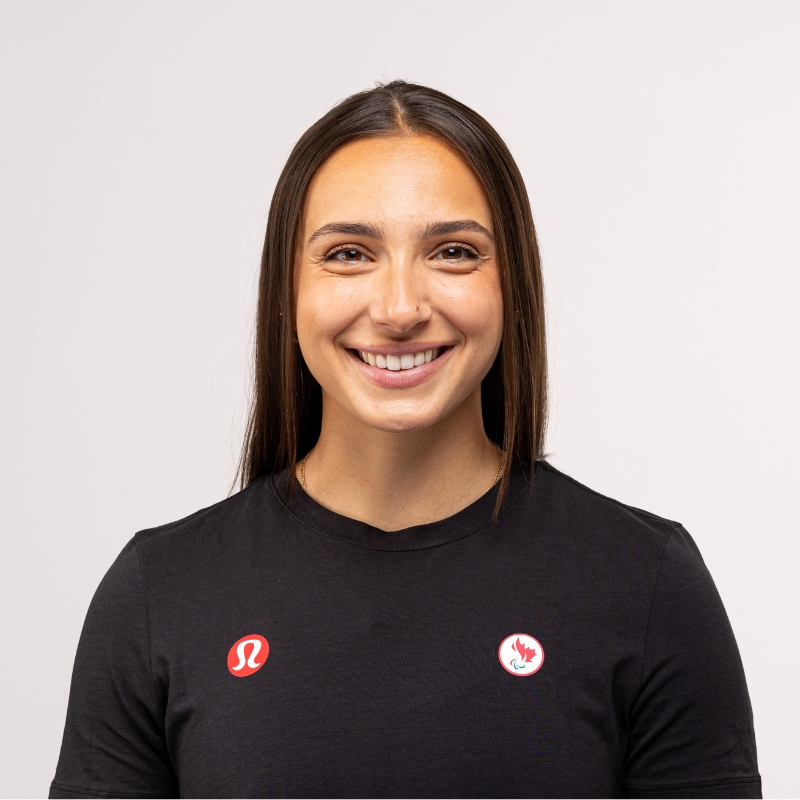
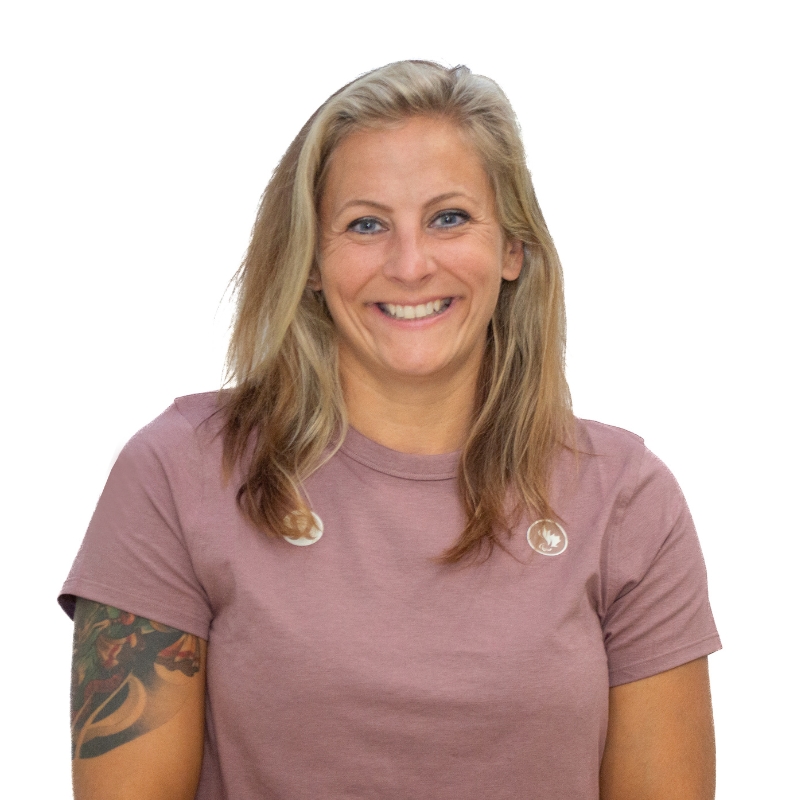
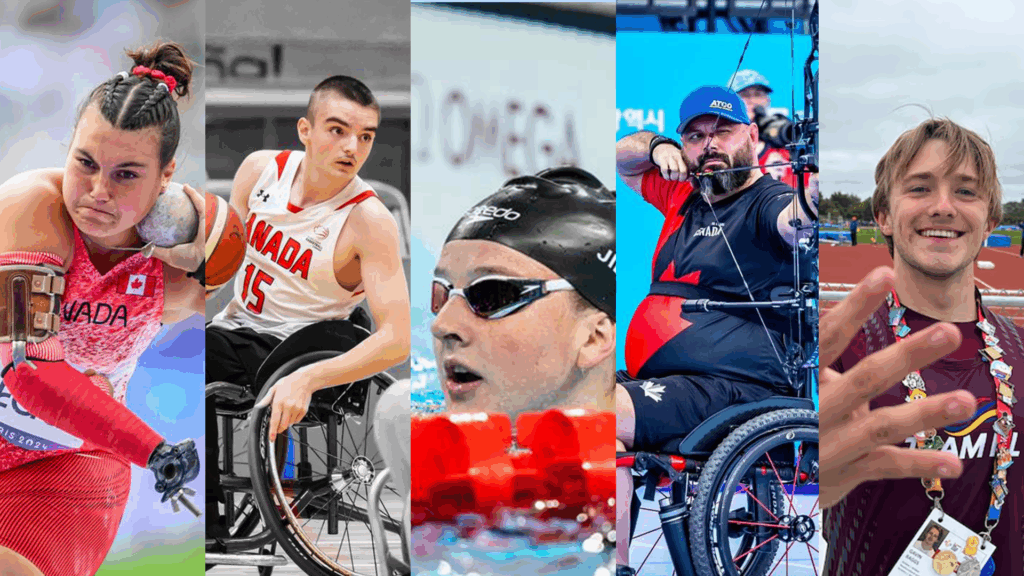
Paralympic Games medallist Nathan Clement threw in his hat this year and was elected to his first Canadian Paralympic Athletes’ Council. He joins vice-chair Christina Picton (Para nordic skiing/Para ice hockey), Brianna Hennessy (Para canoe), Collinda Joseph (wheelchair curling), Mélanie Labelle (wheelchair rugby) and Marissa Papaconstantinou (Para athletics).
‘’It’s something I don’t take for granted,” said Clement, who won a silver medal in Para cycling at Paris 2024. “You look at that list and you just see leaders and advocates. It’s an honour to be part of such a group of amazing leaders and humans that’s really going to make a difference in Canadian sport.’’
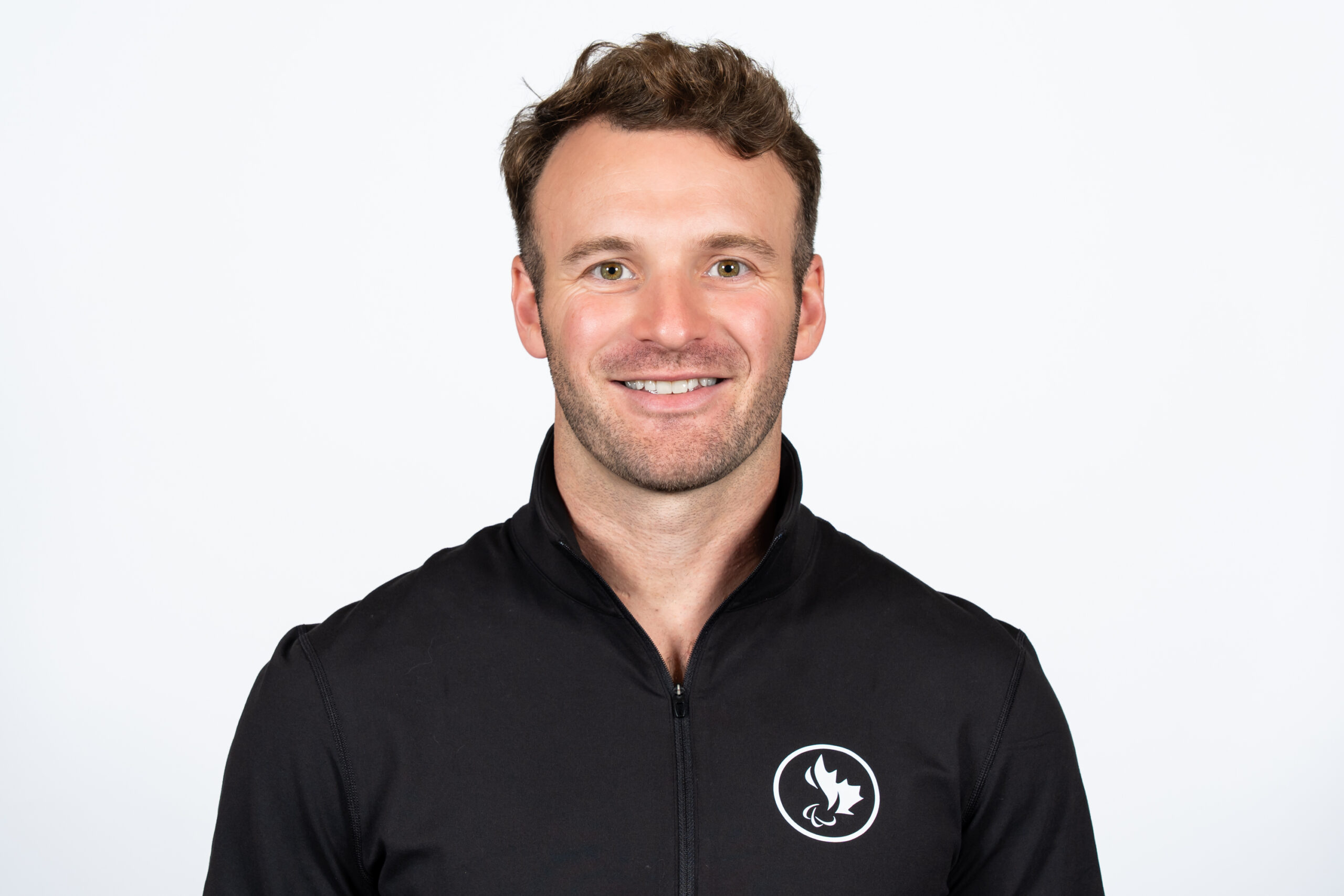
Eric Rodrigues of the national wheelchair rugby team, who serves on the Americas Paralympic Committee Athletes’ Council, says athletes bring a unique and lived experience to issues regarding Para sport.
“Nobody knows better the situation you’re in as an athlete, being in the athlete system, than you do,” said the 2020 and 2024 Paralympian when asked what advice he would give new members of the Canadian Paralympic Athletes’ Council.
“Be curious, ask questions. The longer you’re in it, the more you understand.”
"*" indicates required fields
"*" indicates required fields