summer Games
Tel Aviv 1968
Nov 4 — 13
Canadian Athletes
Sports
Overall Ranking
Participating Nations
Total Athletes
Total Medal Events
Total Sports
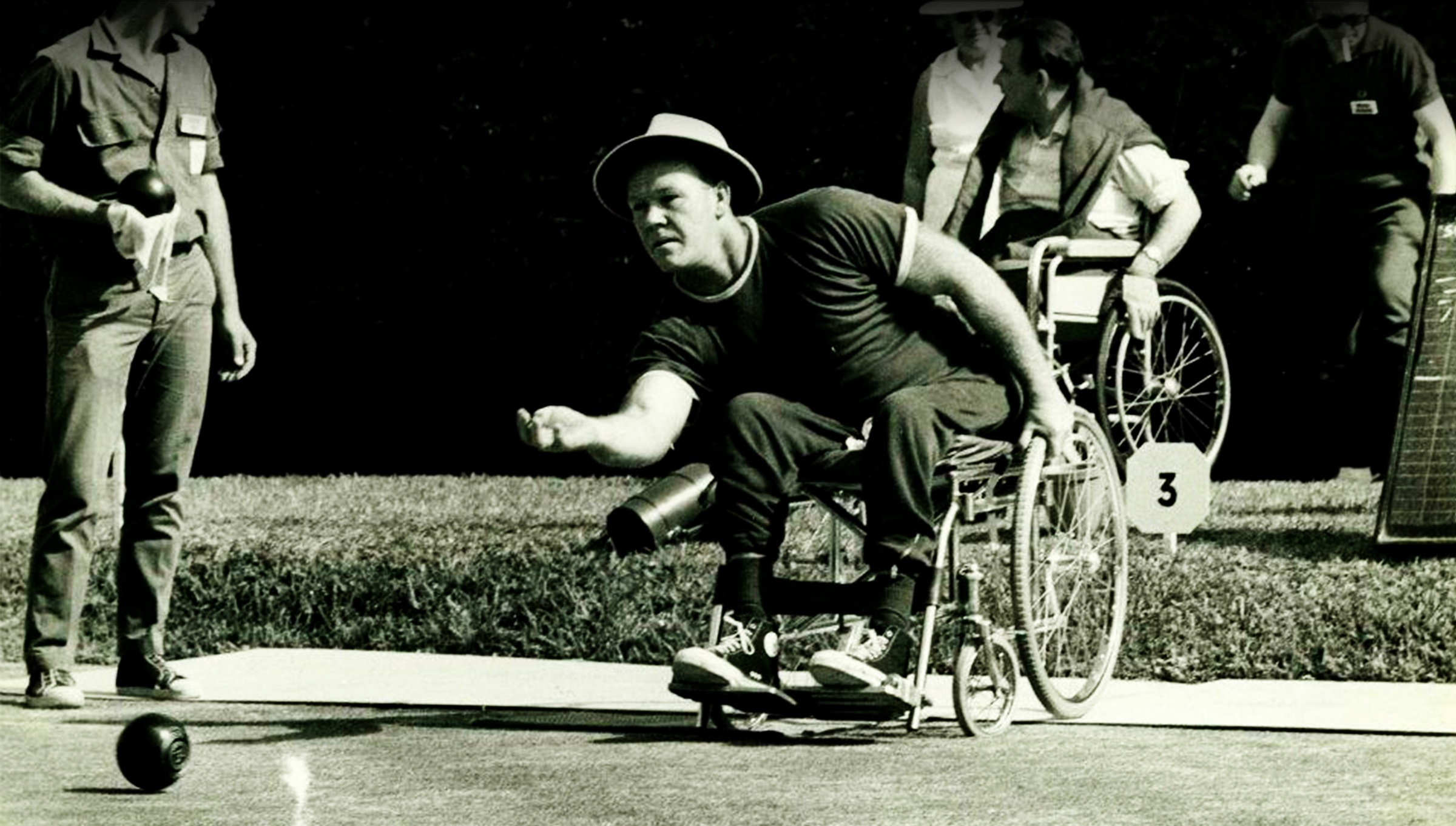
The Tel Aviv 1968 Paralympic Games marked a historic milestone for Canada as it was the nation’s first-ever appearance at a Paralympic Games. Held from November 4 to 13, the event welcomed over 750 athletes from 29 countries to the Games in Israel. Canada sent a team of 25 athletes, including 18 men and 7 women, who competed across several sports, including Para athletics, Para swimming, and Para lawn bowls. By the end of the competition, Canada had firmly announced its arrival on the world stage, finishing 12th in the overall medal standings with a total of 19 medals: six gold, six silver, and seven bronze.
One of the most outstanding Canadian athletes at the Games was Eugene Reimer. He won gold in both the men’s club throw and discus throw (class B), and added a silver in the javelin. His performances were a standout moment for Canada, and he would go on to become one of the country’s most influential figures in the early days of the Paralympic Movement. Hilda Mae Binns also delivered a remarkable showing, winning gold in the women’s novices 60m wheelchair dash (class B) and in the 25m freestyle swimming event, as well as a silver in the slalom. Her three-medal performance made her one of the leading Canadian athletes at the Games and a key figure in the development of women’s Para sport in Canada.
Canada also found success in the sprint events, with Gord Patterson and Doug Wilson both capturing gold in their respective classes in the men’s novices 60m wheelchair dash. Walter Dann added a silver in his class, and Bourne claimed a bronze, giving Canada a strong presence in the wheelchair racing events. In swimming, Karen McPherson earned three medals of her own, collecting silver in the 50m backstroke and bronze medals in the 50m and 100m breaststroke events. Her results demonstrated both skill and determination, helping to establish Canada as a rising nation in Para swimming. Additional swimming medals came from Gustav Schuster and Miller, who each added to the team’s success in the pool.
Beyond the track and pool, Canadian athletes also stood on the podium in field and precision sports. Glendine Seeley won bronze in both the women’s club throw and javelin events. Walter Schmid added a bronze in the men’s lawn bowls singles competition, helping broaden Canada’s medal profile across multiple disciplines.
Although it was Canada’s first Paralympic appearance, the team performed with the confidence and composure of a seasoned delegation. These athletes were pioneers who not only achieved podium success but also represented the values of excellence, resilience, and inclusion. Their efforts in Tel Aviv helped spark a nationwide belief in the potential of Canadian Para athletes and laid the groundwork for future participation and growth.
The 1968 Games were more than a sporting competition for Canada. They were the beginning of a national journey that would lead to generations of Paralympians proudly wearing the maple leaf on the world stage. Tel Aviv was the spark that lit a path forward and remains a key chapter in Canada’s Paralympic story.
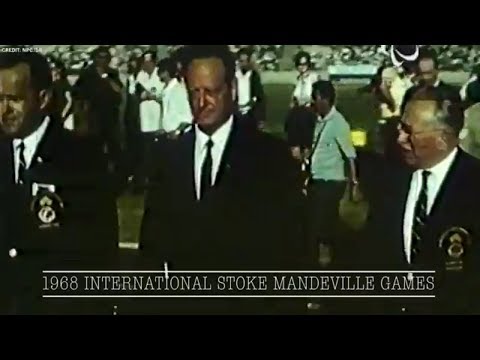
November 4, 2018 marked the 50-year anniversary of the Games, the International Paralympic Committee celebrated the milestone.