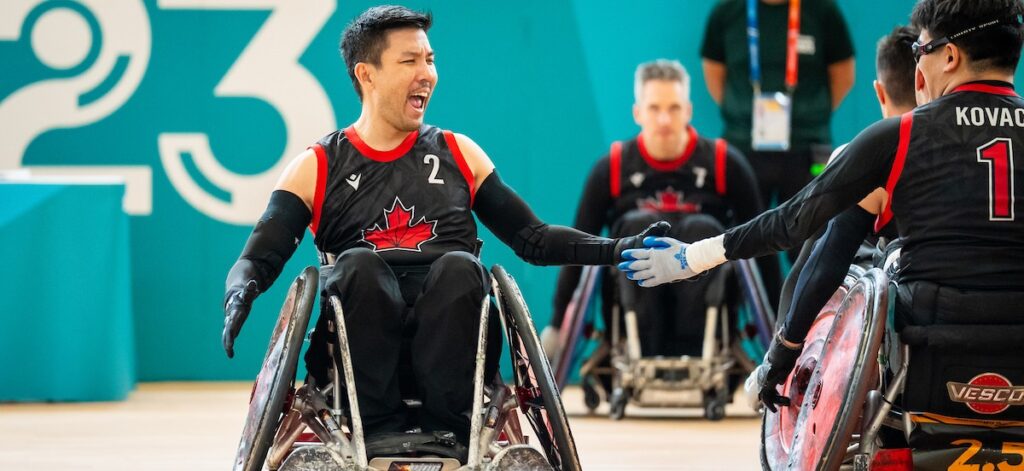
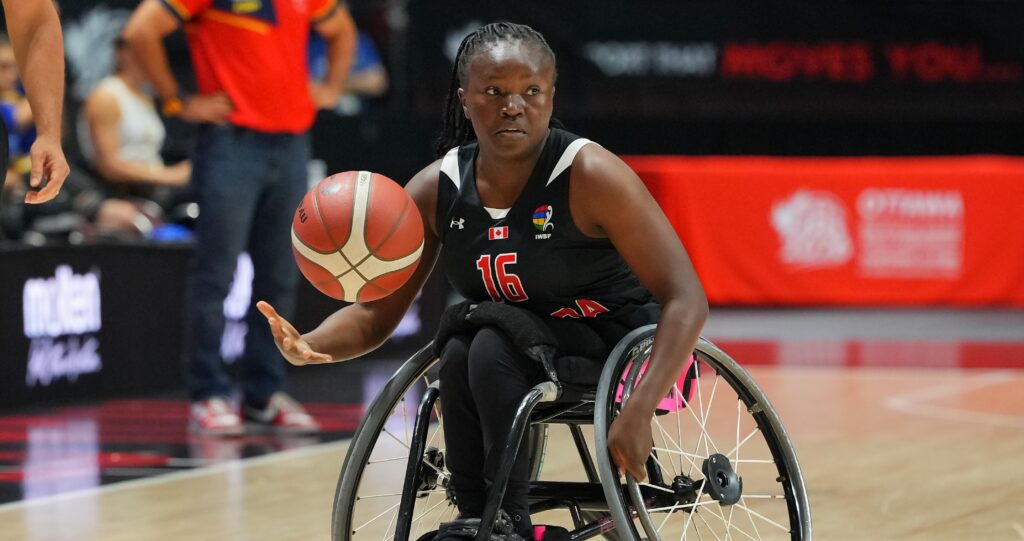
Wheelchair rugby athletes hope to get more people with disabilities involved in sport
Costly equipment, limited grassroots programs are among barriers
Costly equipment, limited grassroots programs are among barriers
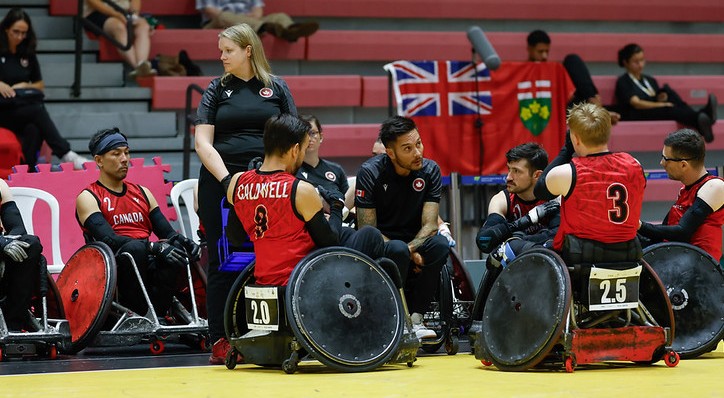
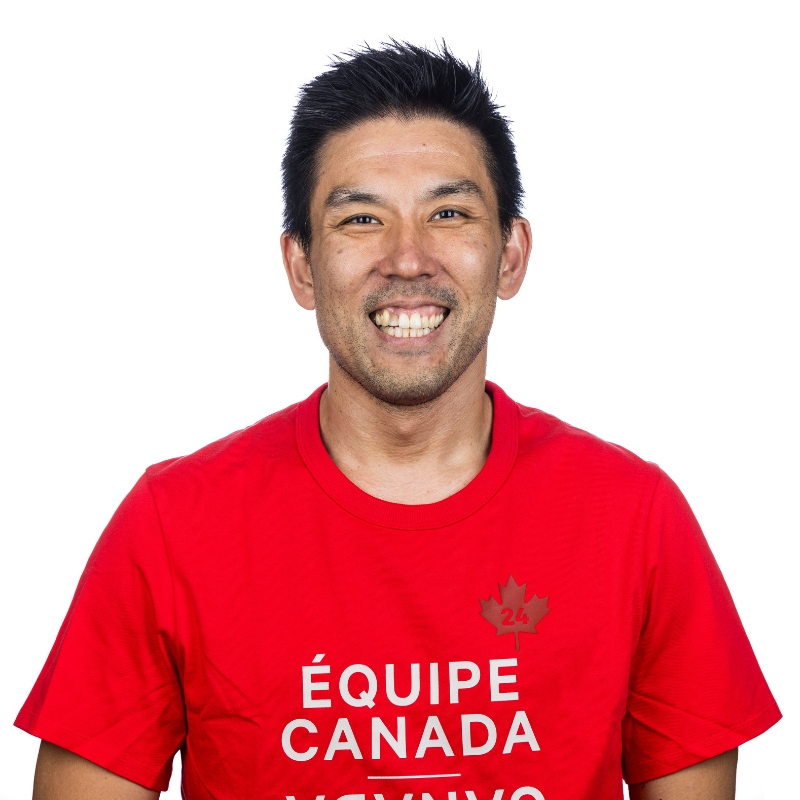
ST. CATHARINES, Ont. – Five-time Paralympian Travis Murao has seen the development process in wheelchair rugby from the court to the administration office.
In addition to his national team player duties, the B.C. native also works as a wheelchair rugby technical coordinator, helping develop younger athletes in the sport with Ontario Para Network.
“It’s been great to leverage some of my experience and help out the new guys,” said Murao, 43, who now resides in Toronto.
Murao remembers how wheelchair rugby impacted his own family after he was injured in a snowboarding accident at age 17. His parents were initially uncertain about his future but watching him discover sport brought hope.
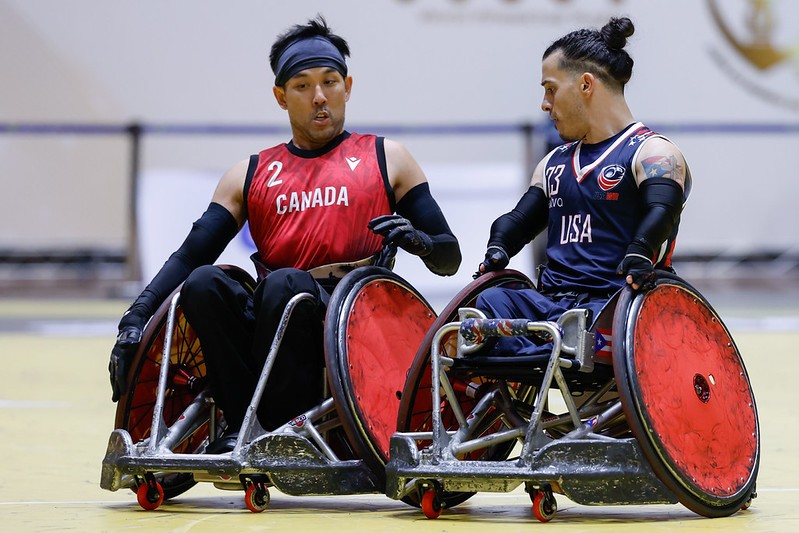
“For them to see me jump into Para sport and get active again and see my spirits rise, and see that, you know, he’s going to be all right – they were like ‘’he’s found his thing, his calling,” Murao said.
At last month’s national team training camp in St. Catharines, Ont., ahead of this week’s world championships in Brazil, players identified several barriers to growing the sport, including recruitment, equipment, and introducing people with disabilities to Para sport.
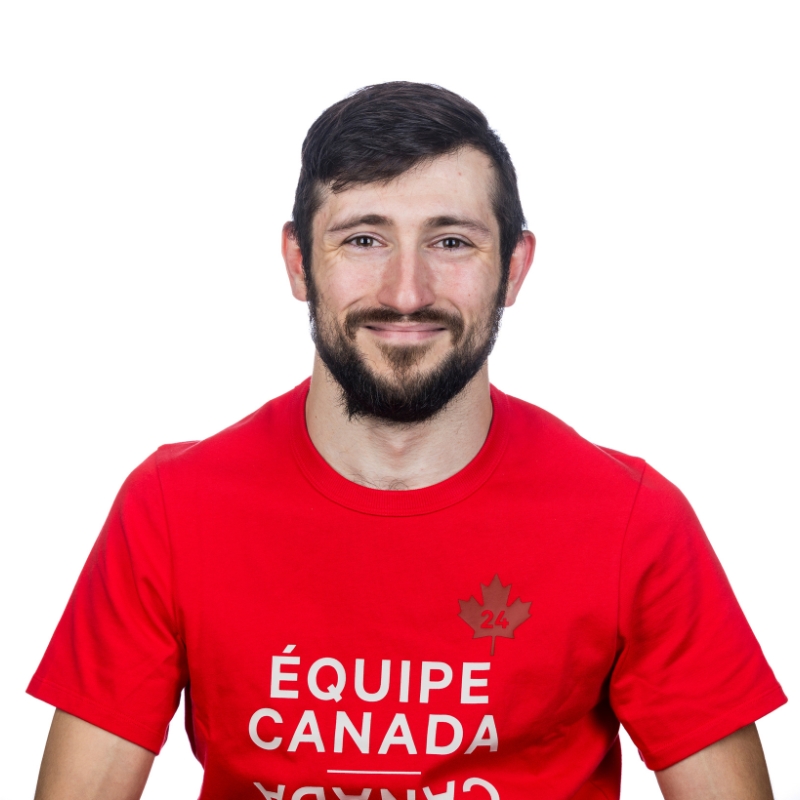
Like Murao, player Byron Green is also passionate about giving back. After moving from Vancouver to Victoria in 2021, he helped establish a junior wheelchair rugby program, one of the first in Canada.
“Seeing the difference that wheelchair sports are making for youth with a disability and being part of that has been a really special moment in my life and in my career,” Green said.
Green, a three-time Paralympian, said getting started can be the hardest step.
“You kind of have to be okay with not being good right off the bat,” he said. “I would just encourage people to stick with it, and you’re going to see steady improvement.”
The benefits can extend well beyond sport.
“My story and my journey have really impacted a lot of younger people with disabilities,” he said. “As much as I can do to give back to the sport and to help encourage other people with physical disabilities to get involved in a Para sport, any Para sport, it doesn’t have to be wheelchair rugby.”
For the athletes, building that future starts with giving more people the chance to experience Para sport.
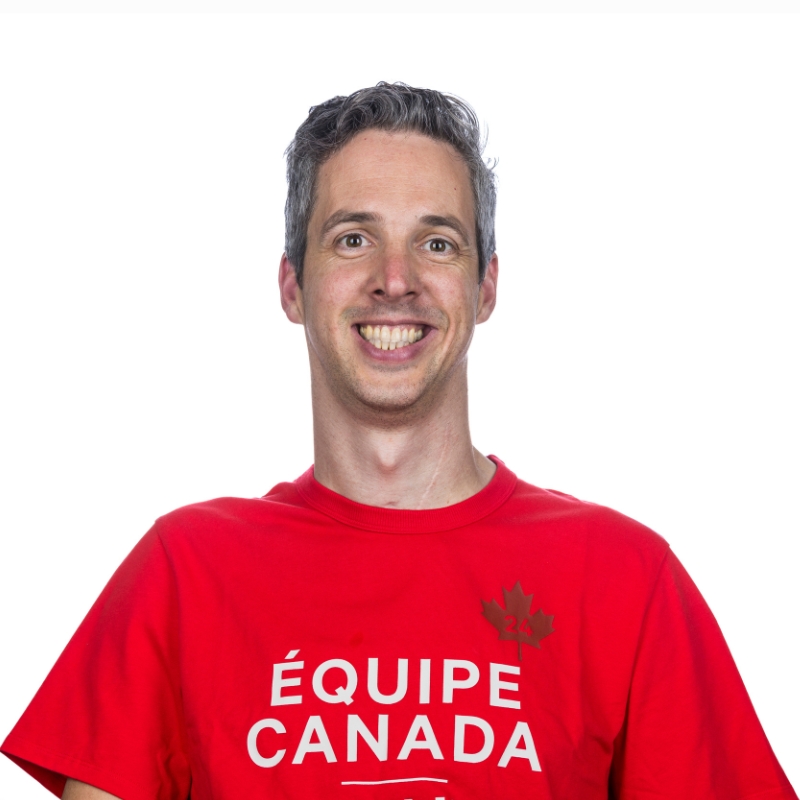
Green’s teammate Matt Debly remembers how difficult it can be for people to become involved in a sport they may not even know exists.
“It’s hard to get athletes if they don’t know about the sport,” he said. “Doing more outreach in our communities, in our schools, in our hospital systems to gain more athletes would help build the next generation.’’
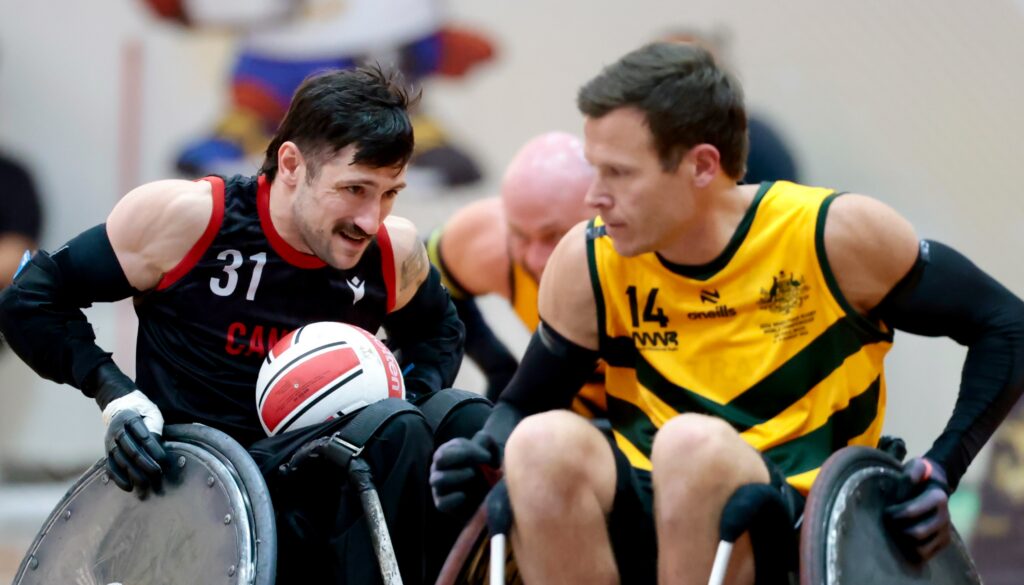
Access to equipment and facilities is equally important.
“Being able to have access to chairs, to equipment, and things like that that allow people to be able to not only play at a high level, but just to get involved and enjoy the sport as much as the rest of us do,” Debly said.
Equipment issues, even for national team players, can bring financial strains.
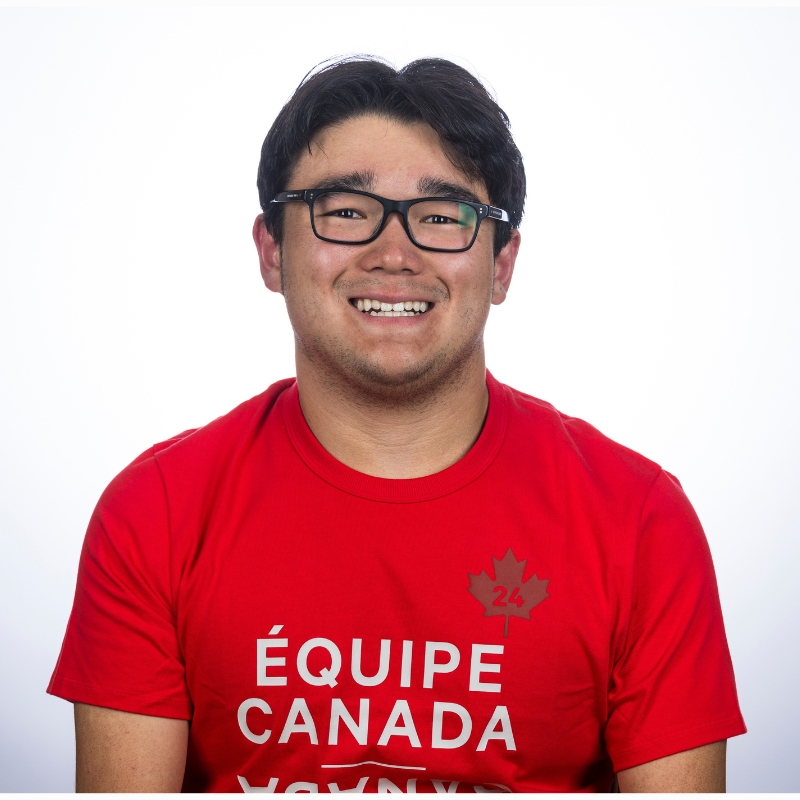
The cost of equipment became particularly personal this year for Paralympian Rio Kanda Kovac. In need of a new chair, he turned to a GoFundMe campaign to help pay for his primary piece of equipment.
“Chairs are over $10,000. You’ve got to replace them every couple of years,” Kanda Kovac said. “My family and the community came together, and I raised a lot of money. So I just feel the love and support that I need to continue the sport.”
Kanda Kovac believes greater investment at the grassroots level could help ensure other athletes don’t face the same barriers.
“Really, we should look at a lot more grassroots projects,” he said. “Getting all sorts of kids with disabilities, with or without disabilities, trying Para sports, getting that exposure. I think that will be very important in the future.”
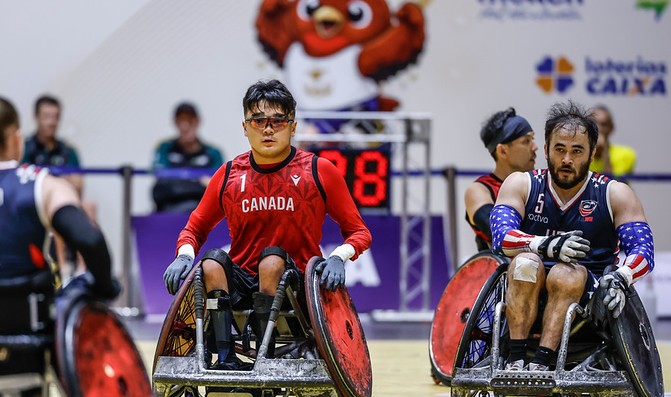
These athletes at the camp are passionate about their sport. And they are keen that more Canadians with a disability get the same benefits they’ve received, whether it’s being part of a community, making new friends, or perhaps one day representing Canada on the world stage.
Those goals have come with significant costs and sacrifices, but the players believe some of the basic steps to getting involved in the sport should not be so difficult.
This starts with making sure the equipment, programs, and support are there when the next athlete decides to give it a try – aligning with CPC’s objective to enable more Canadians to experience the power of Para sport and benefit from its wider impacts, including advancing inclusion and accessibility, shifting perceptions, and building stronger communities.
This will happen by removing the barriers that still exist to participation.
"*" indicates required fields

"*" indicates required fields