Participants find community through sport at Toronto’s Para Sport Try-It Day
Event hosted with support from a Paralympic Sport Discovery Day grant
Event hosted with support from a Paralympic Sport Discovery Day grant
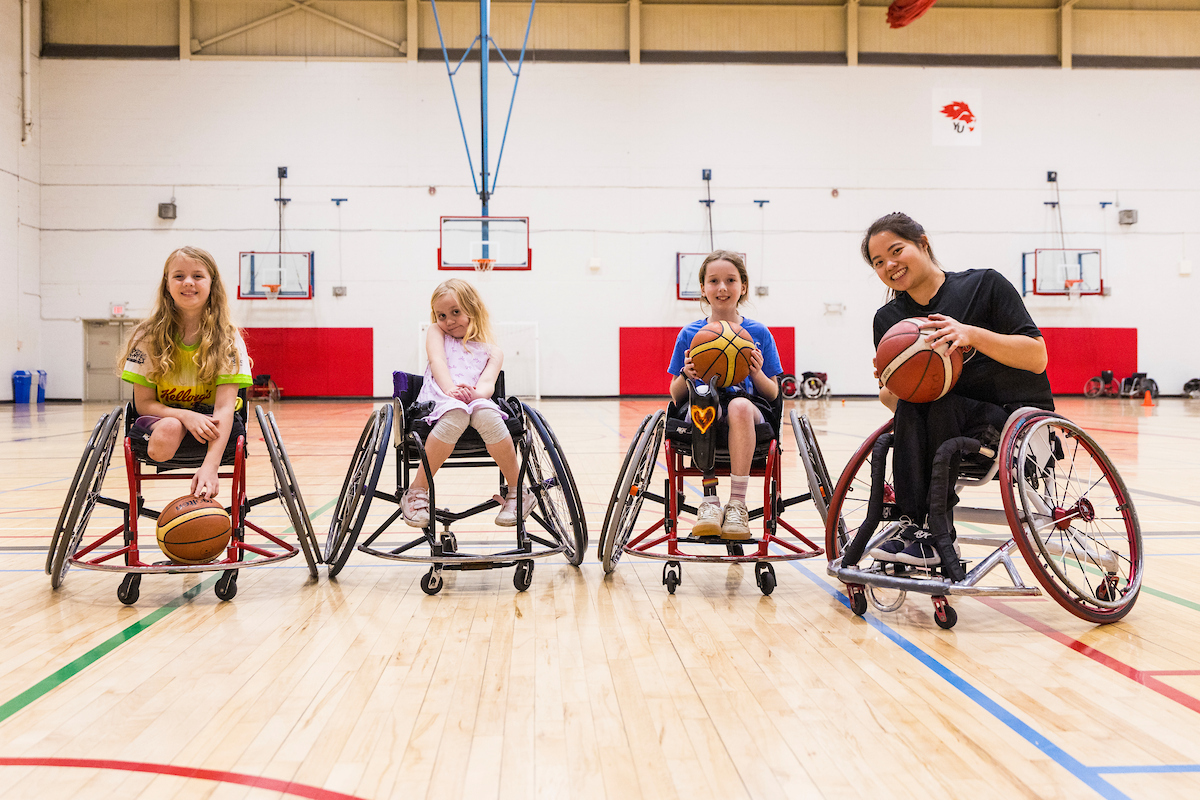
For many participants, stepping onto the court or track wasn’t just about trying something new. It was about discovering possibilities, building connections, and finding a community that understands their lived experience.
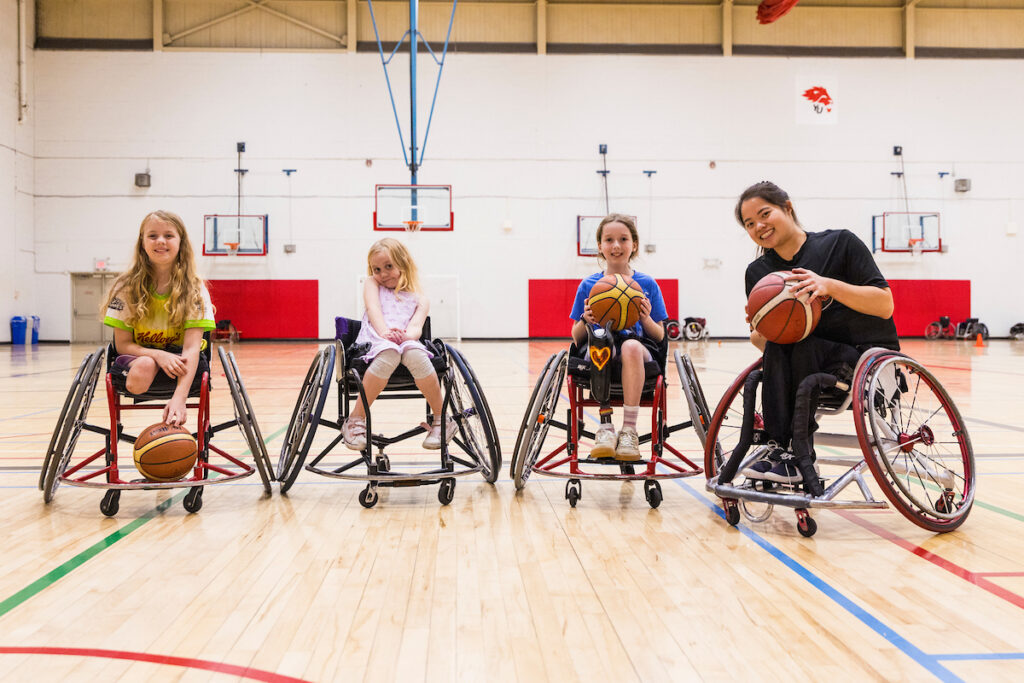
This fall, the Ontario Para Network hosted a multi-sport Para Sport Try-It Day at York University in Toronto, bringing together people of all ages and abilities to experience a wide range of sports, including Para athletics, boccia, wheelchair basketball, wheelchair rugby and wheelchair tennis.
The event was held with support from a Paralympic Sport Discovery Day grant, provided by the Canadian Paralympic Committee (CPC) through funding from the Paralympic Foundation of Canada (PFC).
While some grant program recipients offer single-sport experiences, the Toronto event gave participants the unique opportunity to try several sports in one day, helping them discover activities they may never have considered before.
“What’s really unique about this specific Try-It is that we have so many different sports,” said Lisa Myers with Ontario Para Network. “Someone might come in thinking they’re interested in one sport and leave excited about something completely different. It gives people a chance to explore a whole bunch of different sports all in one spot.”
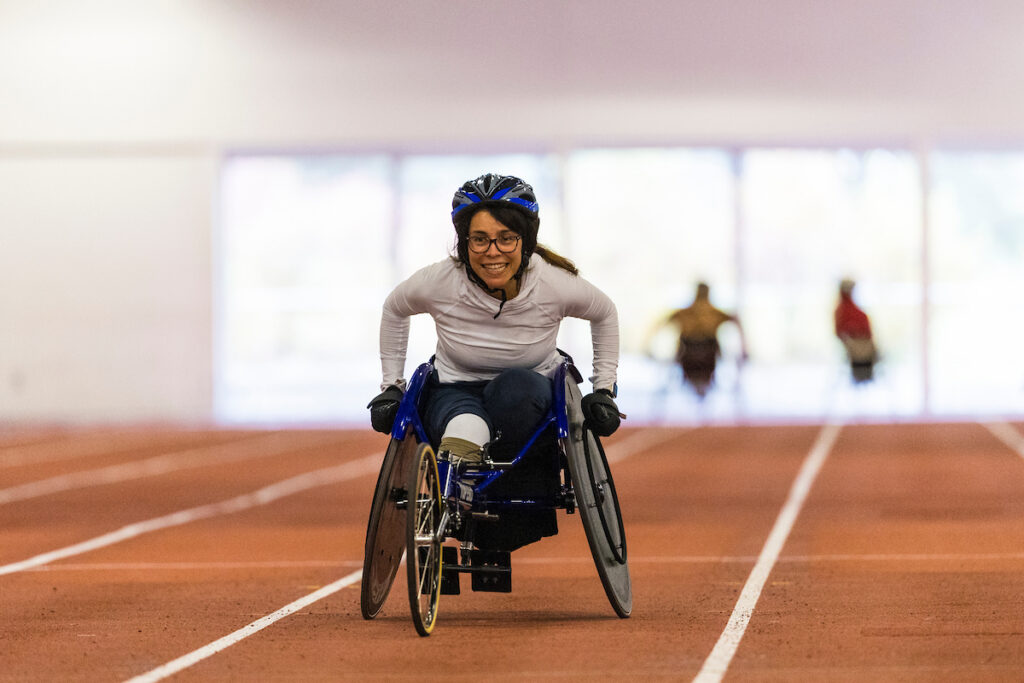
For many attendees, it was a first introduction to Para sport.
“I came here because I had a motorcycle accident five years ago, so this is something new for me,” said Sonia Montanez, a participant at the event. “I’m trying to see what kind of sports and possibilities I have now.”
The atmosphere was welcoming and low-pressure by design, with coaches, volunteers, peer mentors, and Paralympians on hand to help people try activities, ask questions, and build confidence.
“It’s just really fun,” said Myers. “There are a ton of people trying it for the first time, so there isn’t that pressure. Learning from athletes who have similar lived experiences is such a critical piece in opening that doorway for people to experience sport.”
That peer connection is what sets these events apart. Instead of being the only person with a disability in a recreational setting, participants are surrounded by others who share their experiences.
“It’s the friendships. It’s the ability to be amongst people who understand what it’s like. You’re not trying to fit in. You just get to play and be in that environment,” said Myers.
The impact extends beyond participants themselves.
Throughout the day, parents connected with other families and swapped experiences. For one parent, the highlight was seeing new opportunities open up for their child.
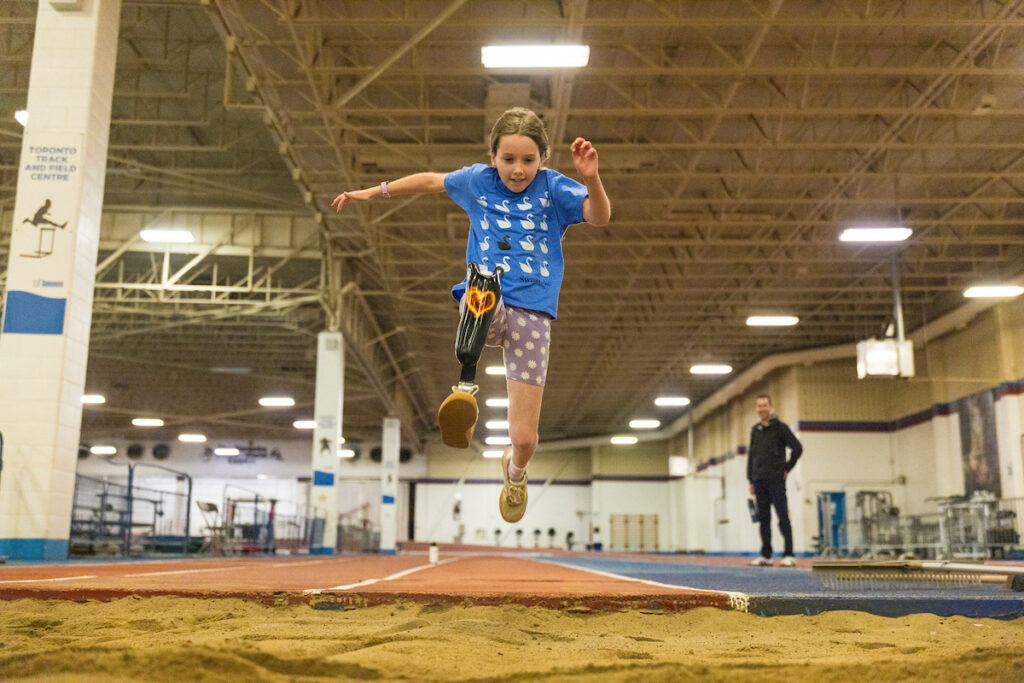
“Having the chance to do this and get specific instruction for someone like her as an amputee has been great,” they said. “Just the chance to see [my daughter] Audrey try long jump has been pretty amazing. It’s not something she normally has access to.”
Several Paralympians also volunteered their time to support participants and share their own paths into sport. For wheelchair rugby athlete Rio Kanda Kovac, events like these were where it started and today, he sees supporting the next generation as an important part of his role.
“Growing up with a disability, I didn’t really have a lot of mentors involved in the athletic space,” said Kanda Kovac. “I think this is a way of giving back to the community.”
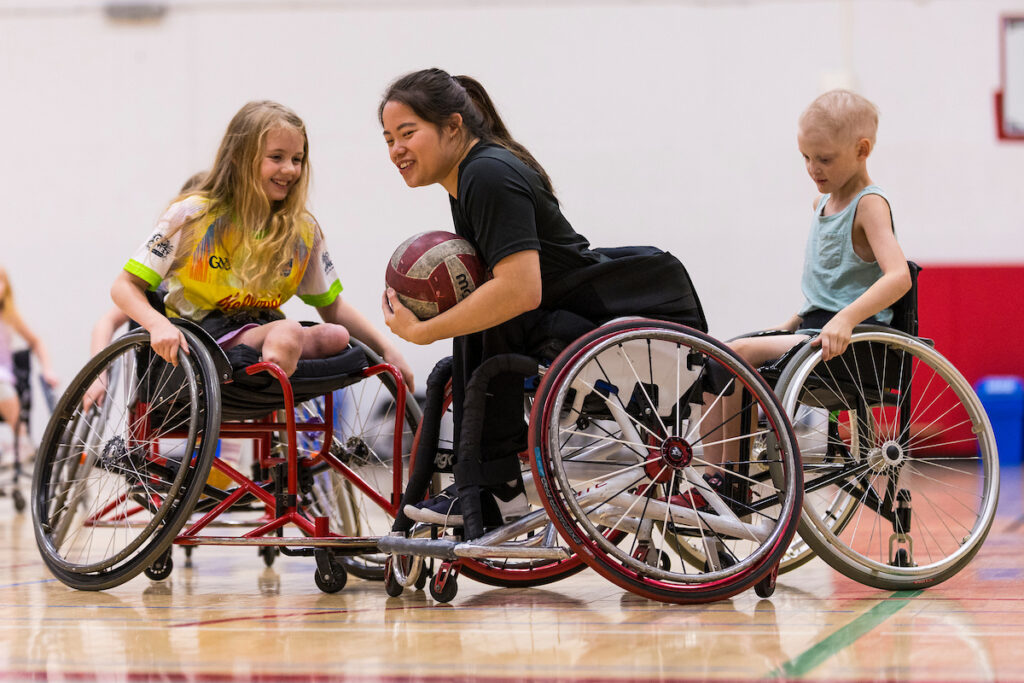
Paralympian Puisand Lai shared a similar path. As a child, she went to many sport discovery events before landing on wheelchair basketball, the sport that took her to the Paralympic Games.
“My mom was really trying to expose me to a lot of different sports,” she said. “I came to a lot of these Try-It events and tried everything from basketball to tennis to racing. I ended up choosing basketball, and I’ve been on the national team since 2018.”
For organizers, that first connection is only the start. At the end of the day, participants named the sports they enjoyed most, and organizers will follow up individually to link them with local clubs and weekly programs.
“That’s such a critical piece of any Try-It event,” said Myers. “There has to be an ongoing opportunity. At the end of the session, we connect participants directly with local programs so they can get started right away.”
While some participants may eventually pursue high-performance competition, the greatest impact often happens away from the field of play.
“Sport is the vehicle, it’s the friendships, the confidence, the connections and the quality of life that come from being part of a community,” said Myers.
Thanks to support from the Canadian Paralympic Committee and the Paralympic Sport Discovery Day grant, more Canadians with disabilities have the chance to try sport and find the community that comes with it.
"*" indicates required fields