summer Games
Tokyo 1964
Nov 3 — 12

Participating Nations
Total Athletes
Total Medal Events
Total Sports
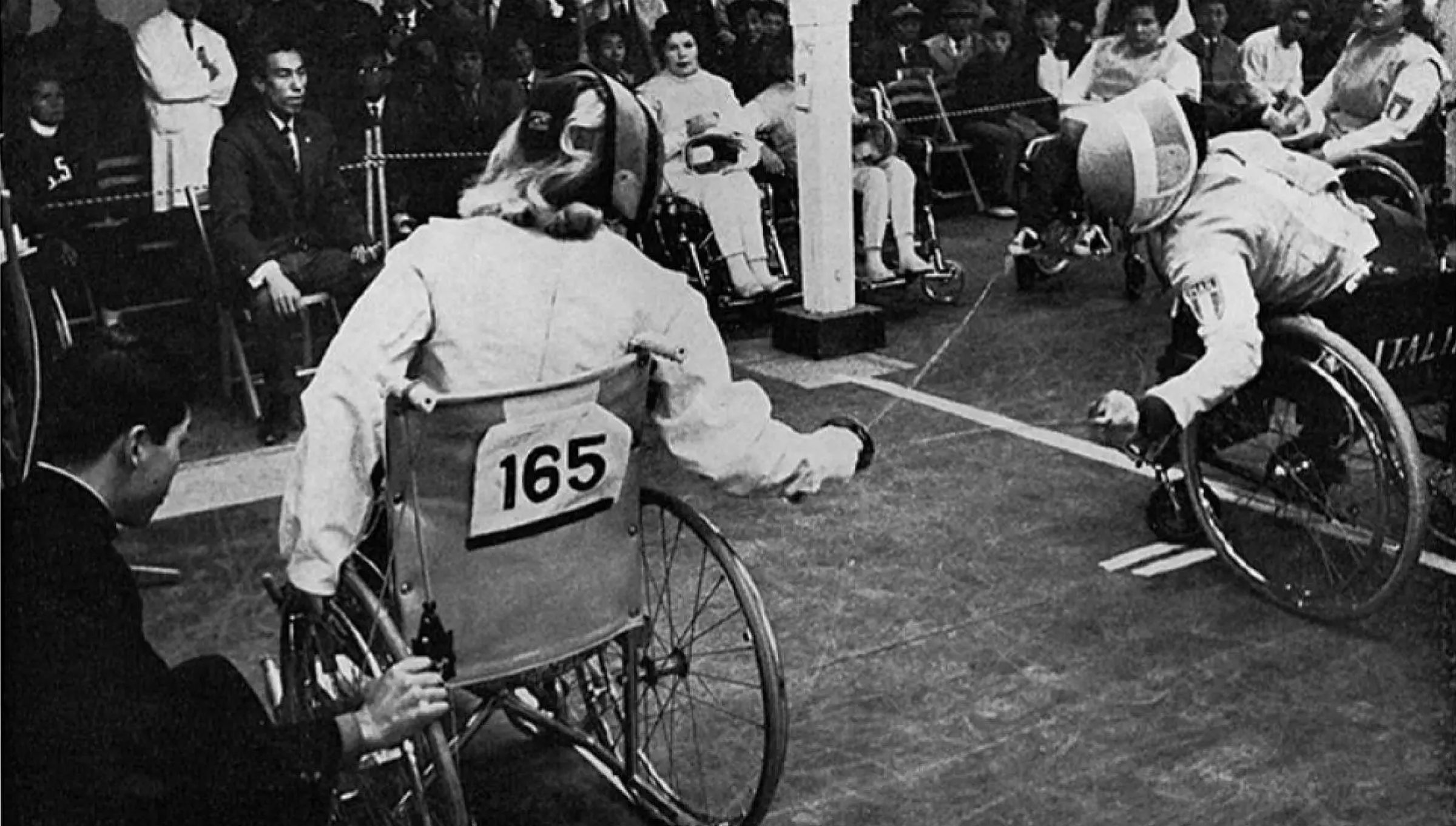
The Tokyo 1964 Paralympic Games marked an important moment of growth and transition for the global Paralympic Movement. Officially known at the time as the 13th International Stoke Mandeville Games, the event was the second edition of what we now recognize as the Summer Paralympic Games. Held in the weeks following the Tokyo Olympic Games, it would be the last time, until Seoul 1988, that the Summer Paralympics would take place in the same city as the Olympics.
Though still formally operating under the Stoke Mandeville Games banner, Tokyo 1964 was the first time the term “Paralympic” was associated with the event. It would take another two decades for the term to be officially recognized by the International Olympic Committee in 1984, and a further five years before the creation of the International Paralympic Committee. But in Tokyo, a powerful signal was sent: this was no longer simply a rehabilitation event or a niche competition; it was an international sporting gathering of elite athletes with disabilities, worthy of recognition and respect.
The Games reflected the growing professionalism and competitiveness of Para sport. Unlike the earlier edition in Rome, many events in Tokyo featured more than three participants, meaning medals were no longer guaranteed just by showing up. For the first time in the Games’ short history, athletes had to race, lift, shoot, or swim their way onto the podium, which was a clear sign of rising global participation and performance standards.
Athletes competed in nine sports, ranging from archery and swimming to wheelchair basketball and fencing. In a key evolution of the athletics program, a 60-metre wheelchair race was added to the schedule. While only a short sprint, its inclusion marked the beginning of what would become one of the Paralympic Games’ most iconic event categories: wheelchair racing.
In many ways, Tokyo 1964 was a quiet revolution. It didn’t generate the headlines or television coverage that would come in later decades, but it sowed the seeds of future change. It showed that Paralympic athletes deserved not just a stage, but a world-class one, and one that matched the dignity and determination of the competitors. It demonstrated that accessibility, inclusion, and elite performance could coexist within a global sporting celebration.
Though Canada did not yet participate, the nation’s Paralympic journey would begin four years later in Tel Aviv, Tokyo 1964 helped shape the international stage upon which Canadian athletes would one day shine. It served as a bridge between the medical origins of the Stoke Mandeville Games and the fully fledged, elite sporting movement the Paralympic Games would soon become.
Nearly 60 years later, Tokyo would again host the Paralympic Games in 2020. But it was in 1964 that the city first welcomed the world’s Para athletes and helped set the Paralympic Movement on a path to global recognition, growth, and greatness.

"*" indicates required fields