summer Games
Athens 2004
Sep 17 — 28

Canadian Athletes
Sports
Overall Ranking
Participating Nations
Total Athletes
Total Medal Events
Total Sports
7
10
2
Para swimming
3
1

Wheelchair basketball
7
6
Para swimming
9
5
6
Para swimming
The 2004 Paralympic Games in Athens marked a powerful return to the birthplace of the Olympic Movement. Held from September 17 to 28, the Games brought together nearly 4,000 athletes from 136 countries and represented a major step forward in the global visibility and professionalism of Para sport. For Canada, Athens was a celebration of excellence, legacy, and momentum. It was a Games that featured standout performances across multiple sports and helped reinforce Canada’s position as a leader on the international stage.

Canada sent a team of 143 athletes who competed in 15 sports, including athletics, swimming, wheelchair basketball, cycling, and judo. The country finished seventh in the overall medal standings, with a total of 72 medals. These included 28 gold, 19 silver, and 25 bronze. The team’s success in Athens built on the momentum of Sydney 2000 and reflected the growing strength and depth of Canadian Paralympic programming.
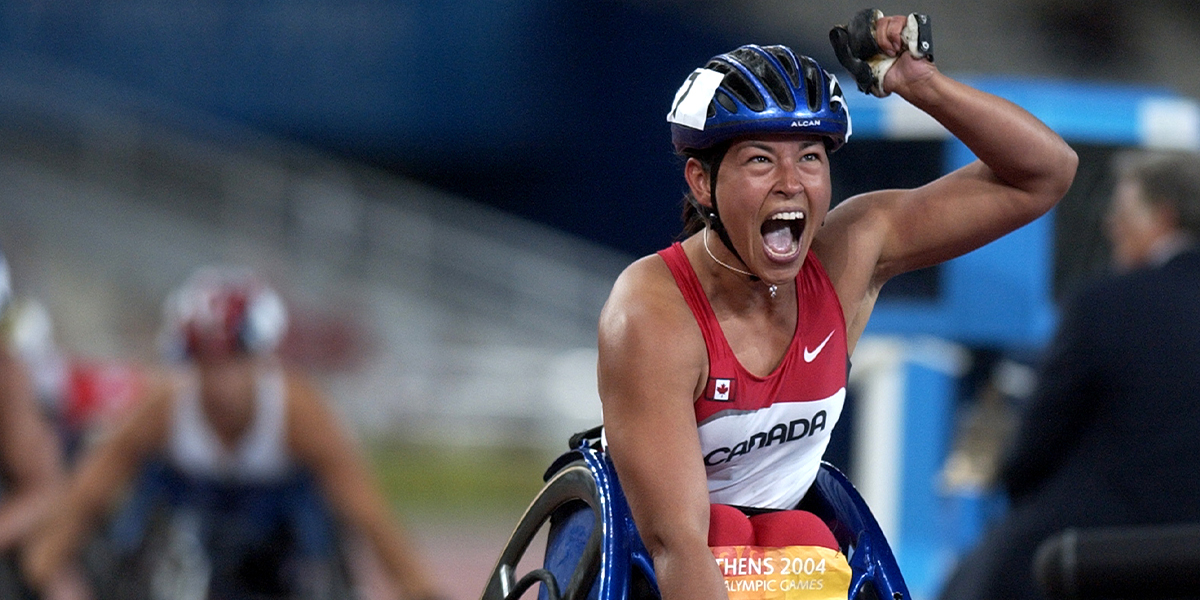
On the track, Chantal Petitclerc delivered one of the most dominant performances in Canadian Paralympic history. She won five gold medals in the T54 wheelchair racing category, sweeping the 100m, 200m, 400m, 800m, and 1500m events. Her consistency, power, and tactical brilliance made her one of the standout athletes of the entire Games. Petitclerc’s achievements helped elevate the profile of the Paralympic Movement in Canada and inspired a new generation of athletes.
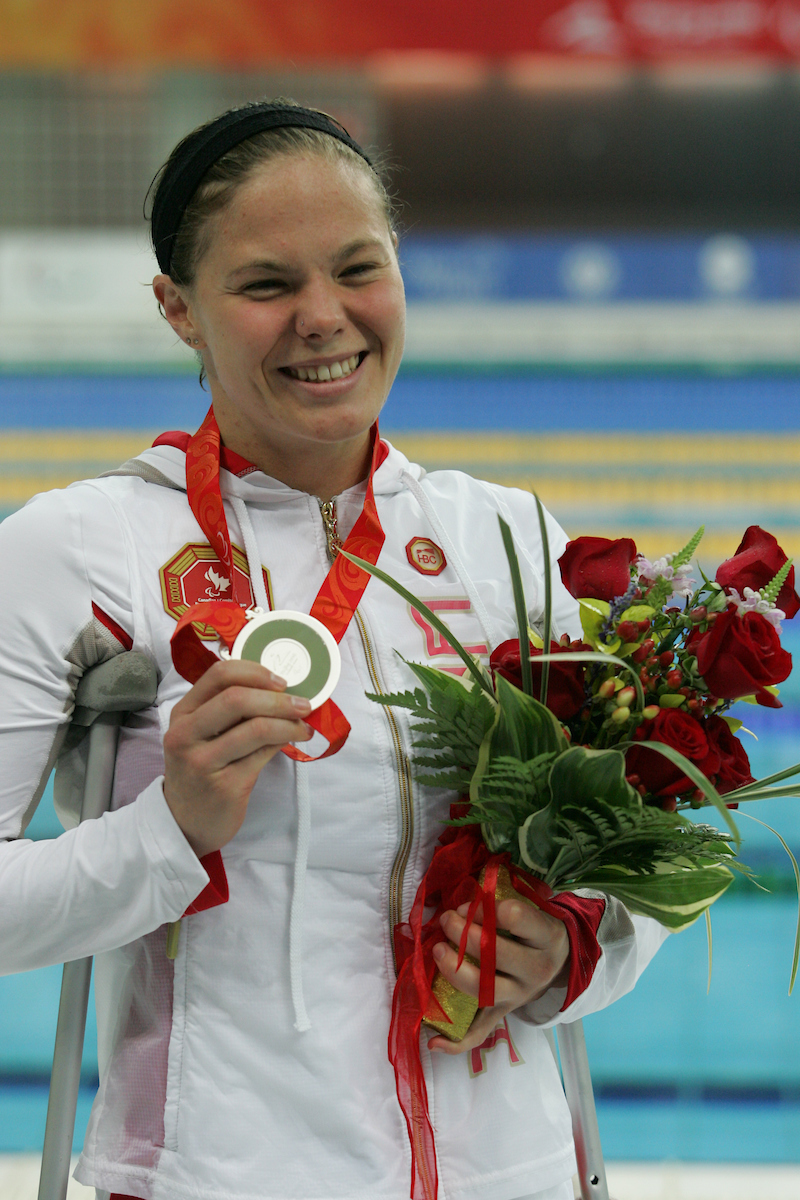
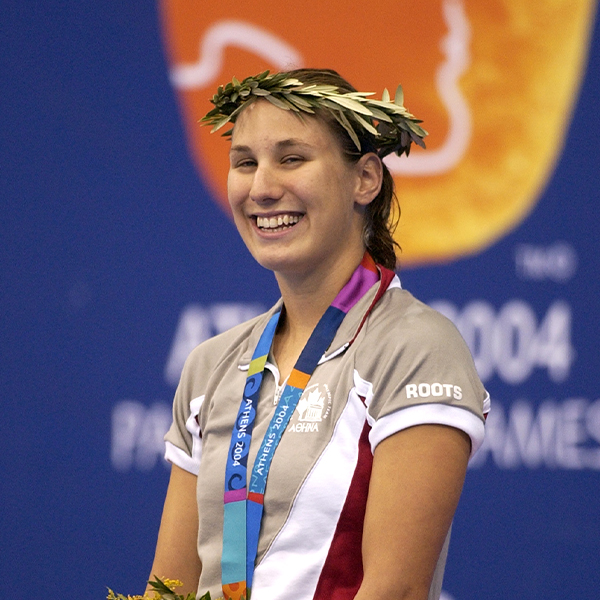
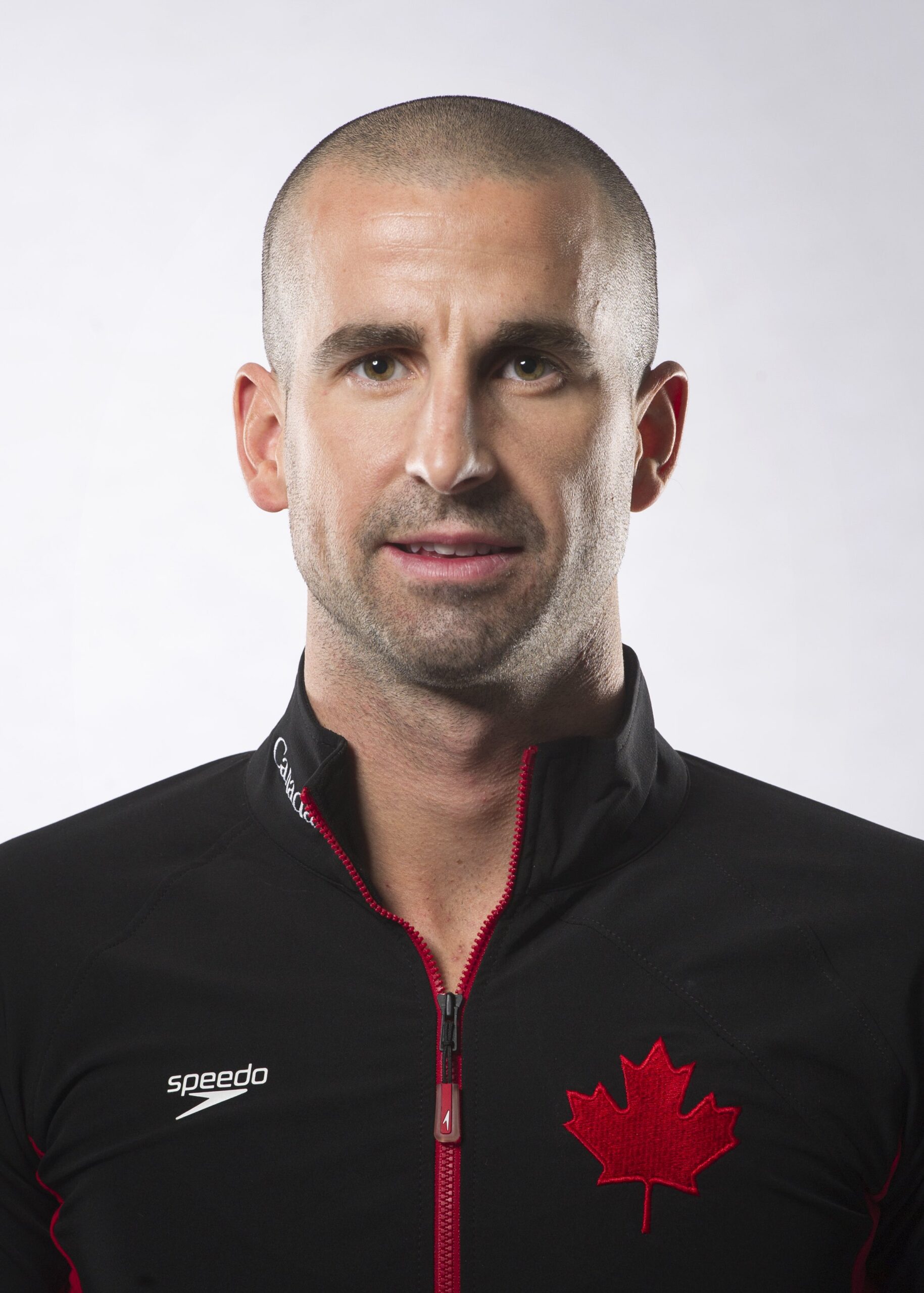
In the pool, Canada’s swimmers continued to shine. Benoît Huot captured five medals, including three gold, as he cemented his reputation as one of the top Para swimmers in the world. Stephanie Dixon also collected five medals of her own, bringing home one gold, one silver, and three bronze. Their combined success underscored Canada’s ongoing leadership in Para swimming and highlighted the effectiveness of the country’s development pathways.
The Men’s Wheelchair basketball Team provided one of the most thrilling Canadian moments of the Games. After winning gold in Sydney, they returned to defend their title and succeeded in dramatic fashion, defeating Australia in a high-intensity final. Led by stars like Patrick Anderson and David Eng, the team demonstrated exceptional skill, chemistry, and mental toughness. The women’s team also delivered a strong performance, winning bronze and continuing Canada’s proud tradition in the sport.
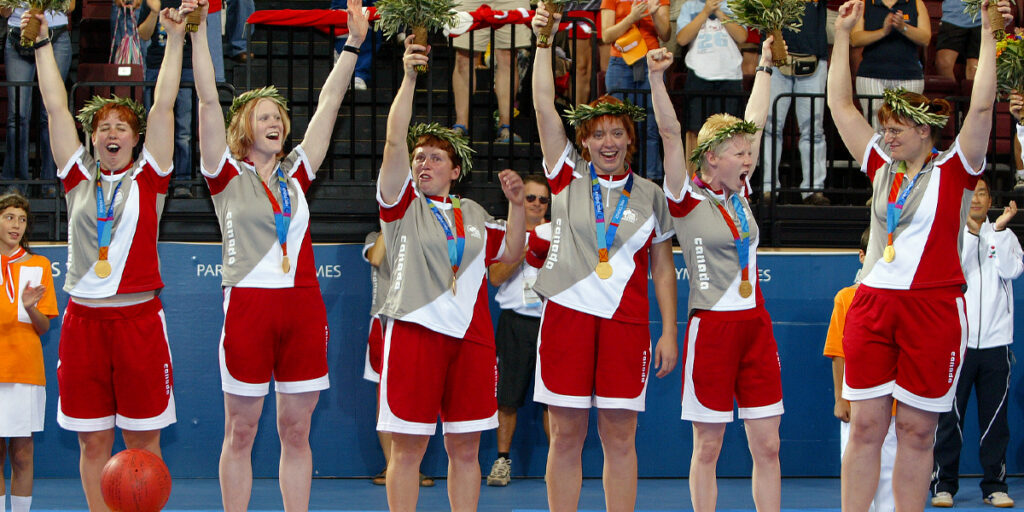
Canada’s Women’s Goalball Team delivered a commanding performance in Athens, successfully defending the gold medal they had won four years earlier in Sydney. With strong teamwork, strategic play, and disciplined defence, the team remained unbeaten throughout the tournament. Their back-to-back gold medals solidified Canada’s place as a global powerhouse in women’s goalball and marked a proud chapter in the country’s Paralympic history.
Athens also saw key performances in other disciplines. In cycling, Canada earned multiple medals through standout athletes like Gary Longhi and Brian Cowie. In judo, Pier Morten added to his long list of accolades with another podium finish. Para archery, powerlifting, and table tennis also saw Canadian athletes make their mark, showing the increasing breadth of Canada’s Paralympic talent.
Off the field of play, the athlete experience in Athens was one of the most positive to date. The venues were world-class and largely accessible, and the Athletes’ Village was praised for its comfort, safety, and atmosphere. Canadian athletes felt a strong sense of community and pride in representing their country. Many athletes spoke of the inspiration they drew from being in the birthplace of the Games and the energy of the crowds who embraced the Paralympic spirit.
The legacy of Athens 2004 for Canada was both athletic and cultural. The Games showcased what was possible when elite Para athletes were given proper support, training, and visibility. Canadian media coverage increased, fans back home followed the action more closely, and the achievements of athletes like Petitclerc and Huot became front-page stories. Athens helped to grow awareness, shift perceptions, and elevate the Paralympic Movement in Canada. It laid a strong foundation for future success in Beijing and beyond, while demonstrating to the world that Canadian Paralympians were not just participants, but leaders and champions.


"*" indicates required fields