From Nova Scotia to the Commonwealth Games podium and beyond: Chloe Dunbar’s journey towards LA28
NextGen funding provides key support for Dunbar's Para athletics success
NextGen funding provides key support for Dunbar's Para athletics success
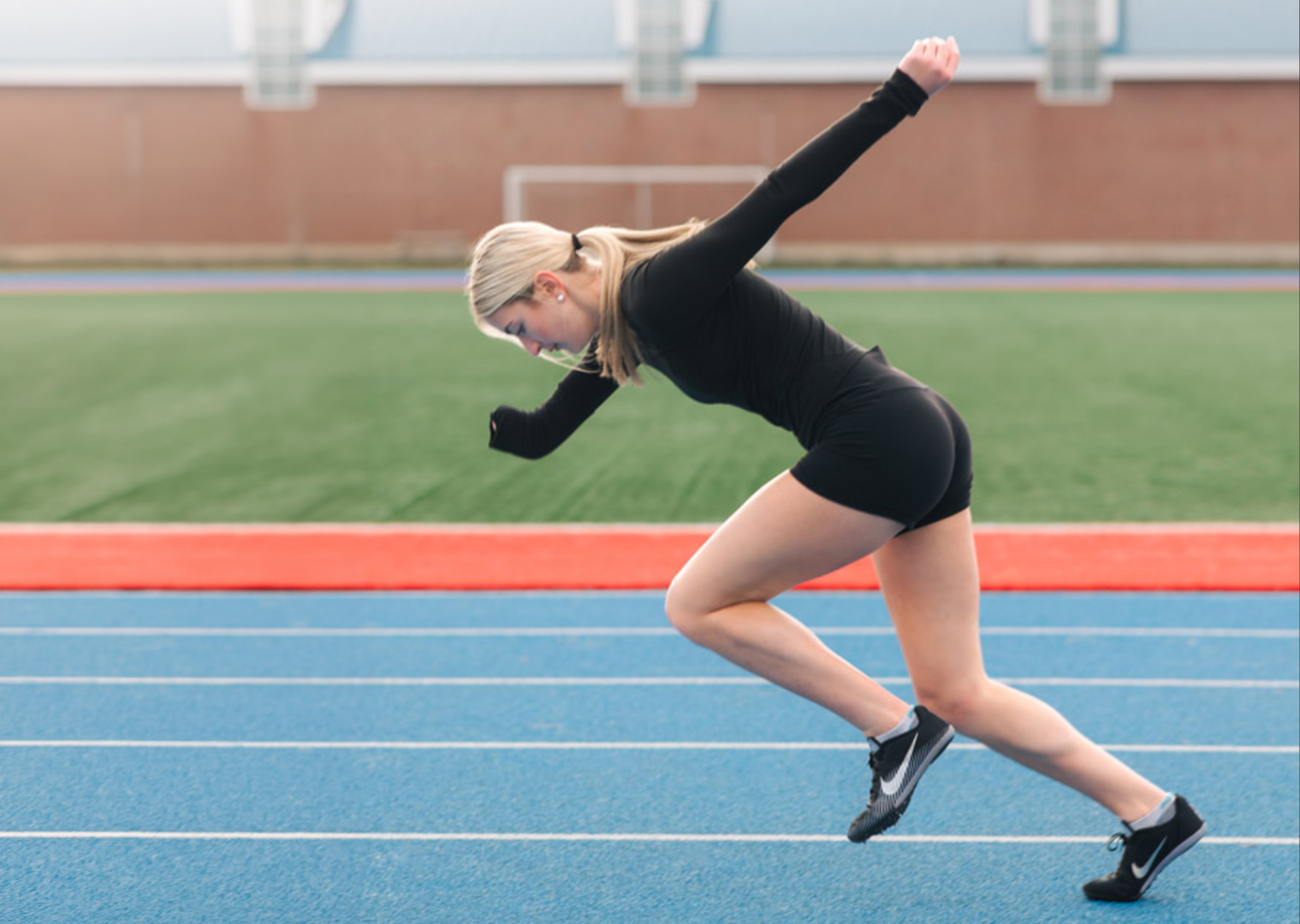
As Chloe Dunbar took her victory lap at the 2026 Commonwealth Games, flag in hand and fans on their feet, she could barely take it in.
“Everything was honestly a blur,” she recalled. “I was kind of still in shock. There was a standing ovation while we’re walking around the track, and Sheriauna [Haase] and I were holding the Canadian flag. That’s something that will always be so special.”
Just a few years earlier, she was running laps at a high school in Nova Scotia.
Dunbar spent 10 years as a cheerleader. Running was something she enjoyed, but Para sport wasn’t on her radar until she joined her high school track team.
“To be honest, I didn’t really know what Para sport meant. I didn’t know what it entailed. Being introduced to that was something that opened so many doors in my life and has really changed who I am as a person.”
At the 2024 Canadian Track and Field Championships, which doubled as the Paris 2024 Paralympic trials, she watched Marissa Papaconstantinou and Sheriauna Haase race toward Paris.
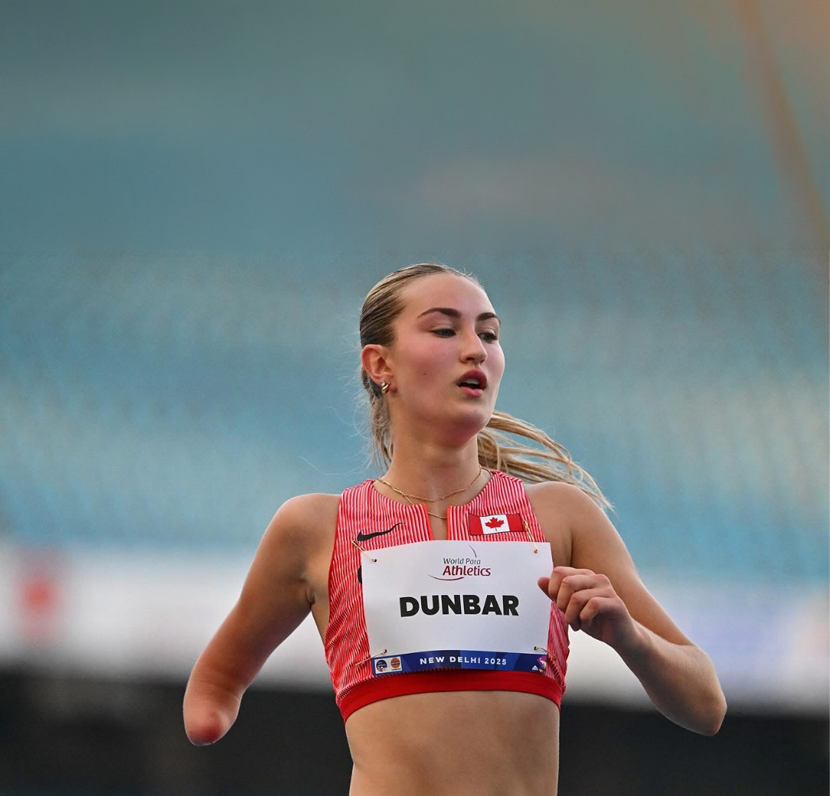
“That was really where I had in mind my goal was going to be LA28,” Dunbar said.
Soon after, she attended a development camp at Athletics Canada’s East Hub through support made possible by NextGen funding. For Dunbar, who trains in Nova Scotia, the experience opened doors that otherwise would have been difficult to access.
“I was able to get introduced to all the staff and support system, and then get internationally classified, which has allowed me to race in all the places that I’ve gone,” she said. “Our East Hub has all the resources you could imagine you need as a runner, it allows me to get all the support I need to set me up best for my season. Having that funding allows us the training we need to prepare.”
While snow limits outdoor training across much of Canada, a winter camp in Grenada gave Dunbar a head start on the season.
“Going down to the camp that was made possible through funding gets us quality training and sets the foundation for the outdoor season,” she said. “That truly has changed how my performance is outside.”
The warmer climate allowed athletes to focus on technical work that would have been difficult to replicate at home.
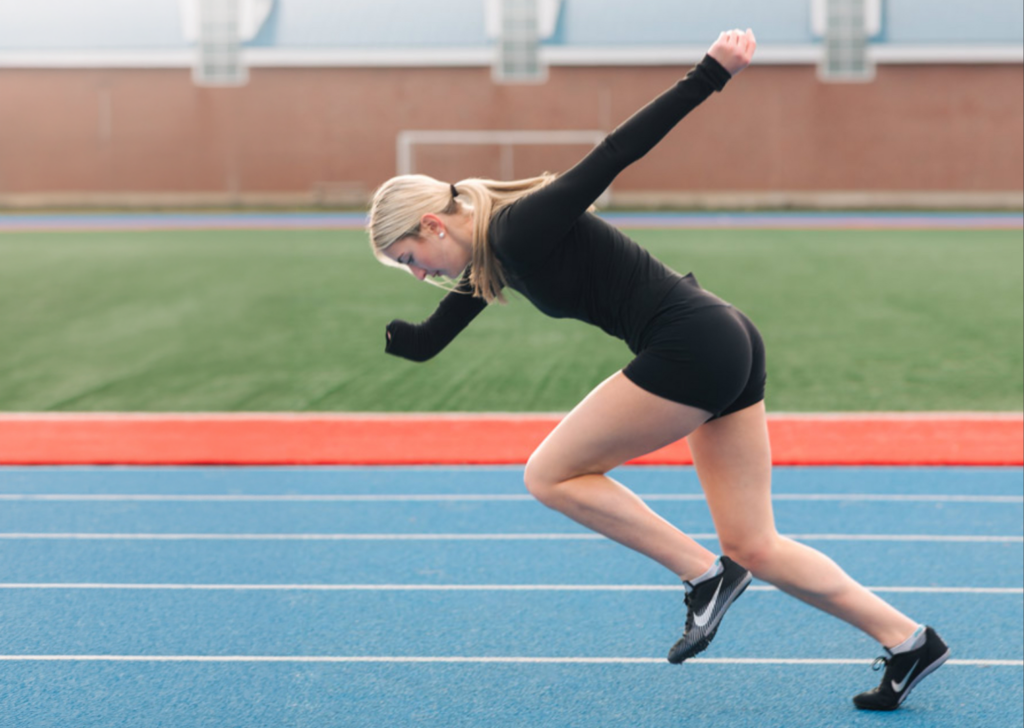
“We’re able to get in some really quality block work. That sets us up well because then when we go back home, we are already one step ahead.”
Shortly before the Commonwealth Games this past summer, Dunbar changed coaches, a switch that could have derailed her season. NextGen funding let Athletics Canada move quickly and put the right support around her.
“I think it set me up to win silver at the Commonwealth Games, and I couldn’t have done it without the funding.”
Not long ago, Dunbar didn’t know what Para sport meant. At the Commonwealth Games in Glasgow, she walked into a stadium full of people who did.
“It was so surreal being there,” she said. “Competing in such a large stadium with so many fans who knew what Para sport was, and each classification that would be competing. You really had fans there for Para athletics.”
The silver medal traced back to the day a high school track team introduced her to a sport she’d never heard of.
Now back at the East Hub, Dunbar is training for the LA28 Paralympic Games, the goal she set while watching Papaconstantinou and Haase head to Paris.
“If I can make LA, it will probably be the best moment of my life,” she said.
Dunbar knows that reaching LA28 will take the same combination of hard work, opportunity, and support that helped bring her to the Commonwealth Games podium.
“Funding really helps us to be able to lock in that support,” she said. “Especially in Canada, there might not always be options available to us. We’re able to get those opportunities and allow us to set ourselves up for success in the sport.”
Donor support helped put Dunbar in a position to succeed at three key moments: her first Para development camp, a winter training camp in Grenada, and a late coaching change.
“I wouldn’t be where I am today without the whole entire support system,” she said. “Donations [and support from the Paralympic Foundation of Canada] allows us to set goals and hopefully make them come true come Games time.”
"*" indicates required fields