Canada’s Para archers aiming for bigger Paralympic presence at LA28
Improved coaching, athlete support and international results fuel program's resurgence
Improved coaching, athlete support and international results fuel program's resurgence
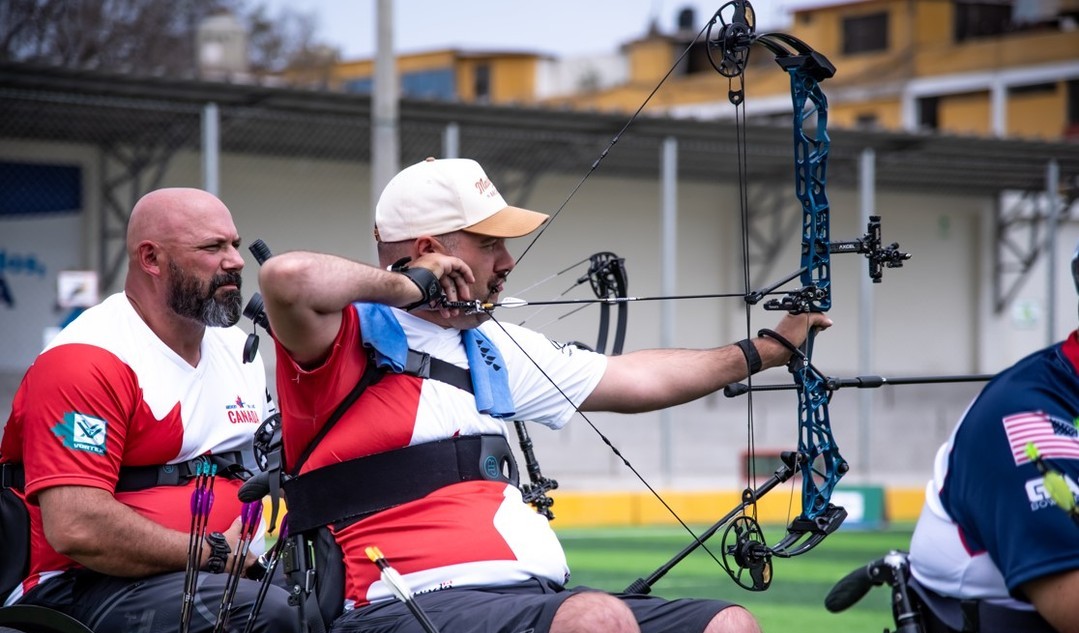
OTTAWA – A deeper pool of athletes, improved support, and impressive international results have Canada’s Para archery program on target for its strongest Paralympic Games presence in more than a decade.
The latest highlight came last month at the Para Pan American Archery Championships in Lima, Peru, which will also host the 2027 Parapan American Games, a key qualifier for LA28.
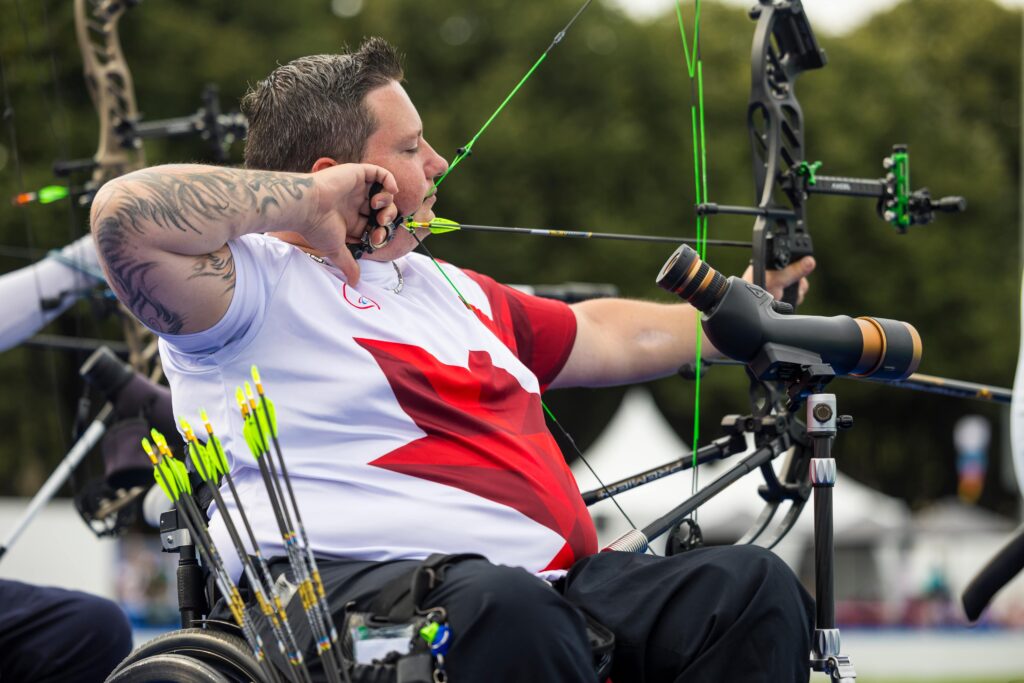
Spencer Arnold of Chilliwack, B.C. defeated reigning Paralympic champion Jason Tabansky of the United States to win the men’s W1 (wheelchair 1) gold medal.
The victory was particularly impressive after Arnold endured a difficult stretch that included an incorrect classification at an event in Czechia earlier this season, forcing him to miss the competition.
But with a stronger support system behind him, Arnold overcame the setback to deliver one of his biggest career victories.
“To get through all of that and come out on top just shows his mental game is there and he has confidence in his training,” said Linda Price, national Para archery team head coach. “I think we have a really strong athlete in Spencer.”
Arnold’s victory highlighted a three-medal performance for Canada. Daniel Comeau of Shannon, Que., another emerging athlete in this Paralympic cycle, captured bronze in the W1 event and joined Arnold for silver in the doubles.
Paris 2024 Paralympian Kyle Tremblay and Shawn Matheson also posted top-10 finishes.
Canada secured three quota spots for next year’s Parapan American Games in Lima, with an opportunity to earn two more at an upcoming competition in Brazil. Tremblay was Canada’s lone Para archery representative at the 2023 Parapan American Games.
The improved results reflect significant changes within the national program, particularly in coaching and athlete support.
“One of the big turning points was putting dedicated staffing towards the team,” said Kylah Cawley, Archery Canada’s high-performance manager. “We used to have part-time staffing or volunteer staffing but definitely getting Linda in as the dedicated head coach on contract has made a difference.”
Cawley said the approach to international competition has also changed, with greater emphasis on providing Canadian support staff rather than relying on volunteers from other countries.
“The athletes know the support is with them,” she said. “They just have to focus on themselves, their training and preparation.”
While interest in Para archery is growing across Canada, accessibility remains a challenge.
Many Canadian archery clubs are located in rural communities, operate with volunteers and lack accessible facilities. Finding suitable training locations can also be difficult in a country as geographically vast as Canada.
“A lot of our clubs are more rural and are less accessible so some athletes might have to travel more to a city centre to find an accessible club,” Cawley said. “We’re trying to focus on starting to identify training hubs where athletes could go to, to learn and develop.”
And that interest will only get stronger as Canadian Para archers continue to make their mark on the international stage.
"*" indicates required fields