summer Games
Rome 1960
Sep 18 — 25
Participating Nations
Total Athletes
Total Medal Events
Total Sports
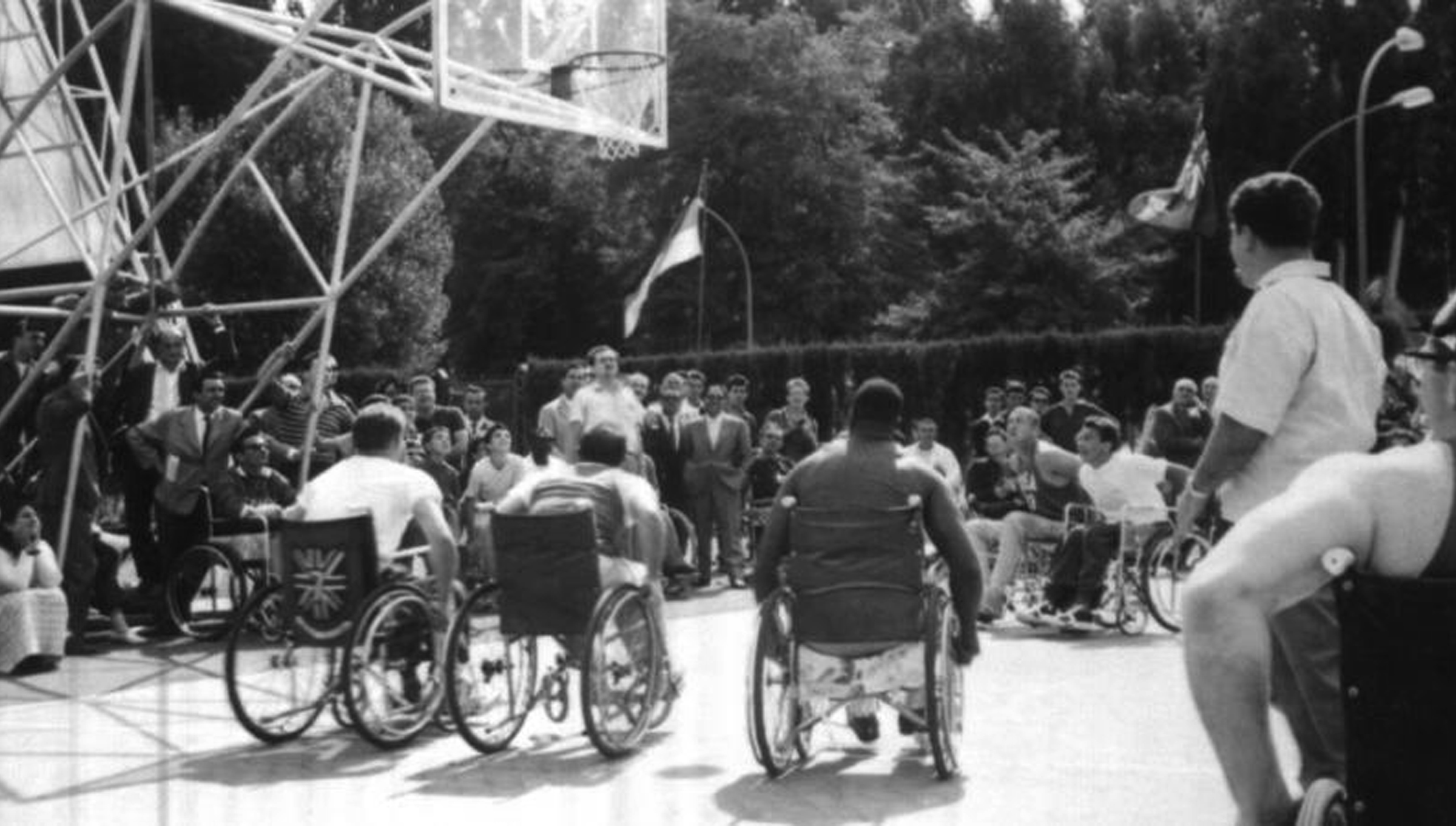
The Rome 1960 Paralympic Games marked a historic turning point in sport, widely recognized today as the first official Paralympic Games. Held from September 18 to 25, 1960, shortly after the Olympic Games in the same city, the event brought together approximately 400 athletes from 23 countries, all with spinal cord injuries, to compete in eight sports, including athletics, swimming, archery, and wheelchair basketball.
Although the event was originally titled the 9th Annual International Stoke Mandeville Games, it was later retroactively designated as the inaugural Summer Paralympic Games. It was a groundbreaking step toward formalizing elite competition for athletes with disabilities on the global stage.
Rome 1960 was organized under the vision of Dr. Ludwig Guttmann, founder of the Stoke Mandeville Games in the UK. For the first time, athletes with disabilities competed in Olympic venues, including the iconic Stadio dei Marmi, elevating the legitimacy and profile of their achievements. The Games symbolized the belief that sport could be a vehicle for rehabilitation, dignity, and international recognition.
Canada did not participate in the Rome 1960 Paralympic Games, but the event would soon pave the way for the country’s involvement in the Paralympic Movement. Just eight years later, in Tel Aviv 1968, Canada would make its debut and from there, build a proud legacy of excellence, inclusion, and leadership in Para sport.
Rome 1960 served as a beacon, inspiring countries around the world to invest in adaptive sport and recognize the athletic potential of persons with disabilities. For Canada, it was a spark, the starting signal for a journey that would see Canadian athletes rise to the top of the Paralympic podium in the decades to come.
The Games in Rome may have been small by today’s standards, but their impact was monumental. They proved that athletes with disabilities deserved the same spotlight, the same respect, and the same opportunities as their Olympic counterparts. The movement that began in Rome continues to grow stronger — and Canada, though not there in 1960, proudly carries that legacy forward.


"*" indicates required fields